You can think of Bitcoin as both a currency and a bank which exists on the web and was invented / discovered by Satoshi Nakamoto in 2009. Since then governments have come to grips with the idea of a digital currency and it seems that with the collection of taxes and official regulation, crypto and particularly bitcoin (BTC) are here to stay at least for the moment.
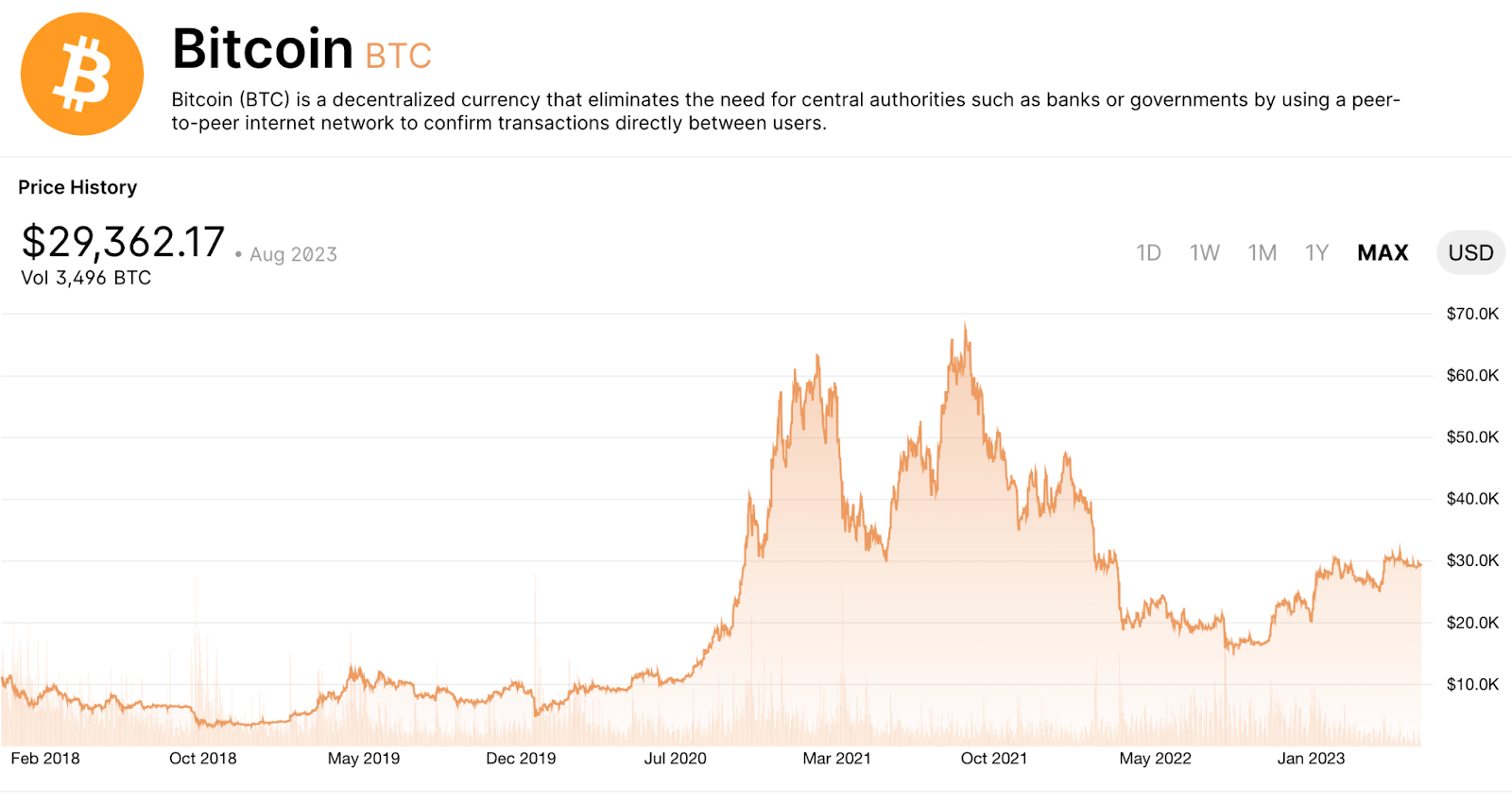
You can find a tracker for the current market value of BTC here.
Technical Fundamentals of a bitcoin block
A ledger is a record of a transaction. Regular banks use them to take note of credit and debts on their books. In the block chain space that ledger is a complete ledger of all bitcoin (or other coin) transactions at a given time which is sealed with a valid hash key; this is a block. Then the next iteration begins on the next version of the ledger, which is added to the chain of legers or chain of blocks. The mechanism is kind of like a gitrepo that cannot be rebased or a linked list in which the memory cannot be changed.

Technically speaking Crypto is just software written in C++ with all the protocols for sending, receiving and discovering Bitcoins.
What is an exchange
In order to acquire bitcoin, you must either buy it from someone or discover one (mining).
A cryptocurrency exchange is a platform that facilitates the buying, selling, and trading of various cryptocurrencies. It functions much like a traditional stock exchange, where users can trade digital currencies for other cryptocurrencies or traditional fiat currencies like the US Dollar, Euro, etc. These exchanges provide a marketplace where users can place orders to buy or sell cryptocurrencies at specific prices.
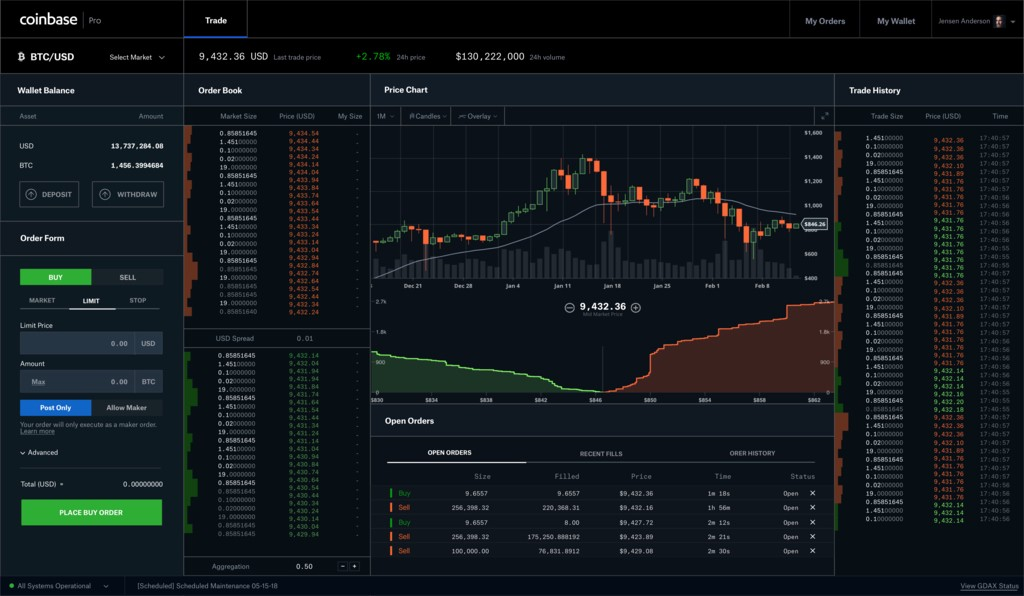
Coinbase is one of the best known exchanges, and although their fees are a little higher they have done a great job of making the crypto markets more accessible to everyday folks. To buy crypto you just signup with coinbase or a competitor, load cash to the platform, select the coin to buy and make an order. You will then have a crypto balance rather than a USD or EURO balance. However, now you just have a balance in Coinbase, whereas you probably want to have those coins in your wallet…
What is a Wallet
A wallet is a piece of software and / or software that lets you store crypto more securely. Ownership of something can be a little tricky. Most countries in the world have tried at some point to confiscate property, and private ownership is illegal in a lot of countries. To give a very specific case, the Gold Reserve Act of January 30, 1934 required all US citizens to surrender their holdings.

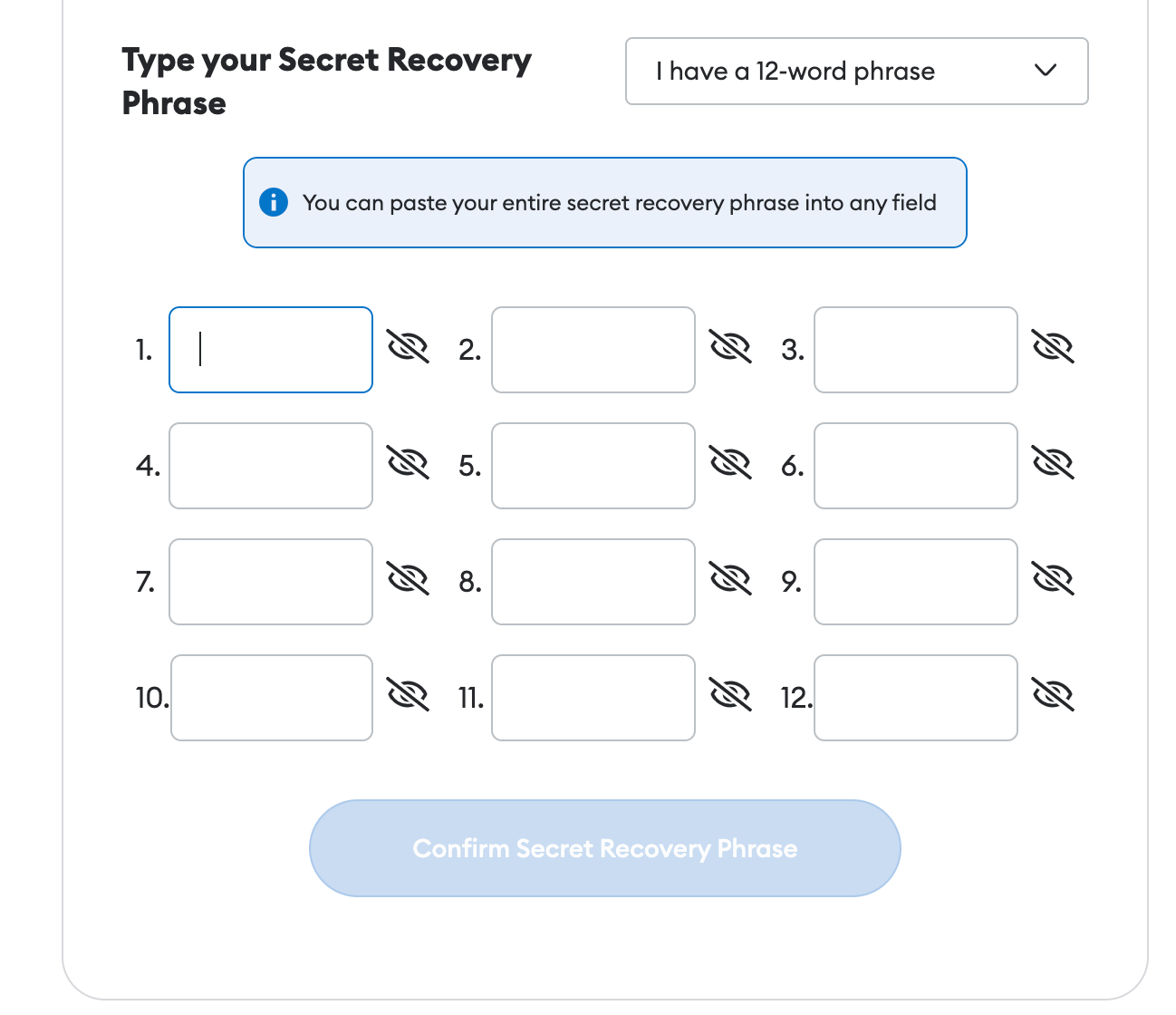
That makes all ownership of value not exactly guaranteed; with the exception of Bitcoin, in principle. The ownership of bitcoin is an intellectual idea, and to own it you must have information about the wallet in which it is held. This is a 12 wording combination. Of course this information can be stolen but it is possible to hold this in your head and it would then become the only thing which is possible to truely own; at least that’s what crypto enthusiasts would like to say. Here is an example of a wallet being recovered via the coded phrases from MetaMask. You can use an app as your wallet either on mobile or desktop or you can opt for a more secure USB device; but fundamentally each wallet has a 256 character address which is all you need to send money to someone in this form.
Types of Wallet
Some popular wallets include the Coinbase wallet, Tezor and Exodus but there are distinctions between wallet and you might want a couple. A web3 wallet, one which is available in your browser as a chrome extension such as the coinbase web3 or MetaMask is typically known as a hotwallet, used for daily transactions, is convenient but not very secure.
An alternative is a software based wallet such as Exodus which is a little safer.
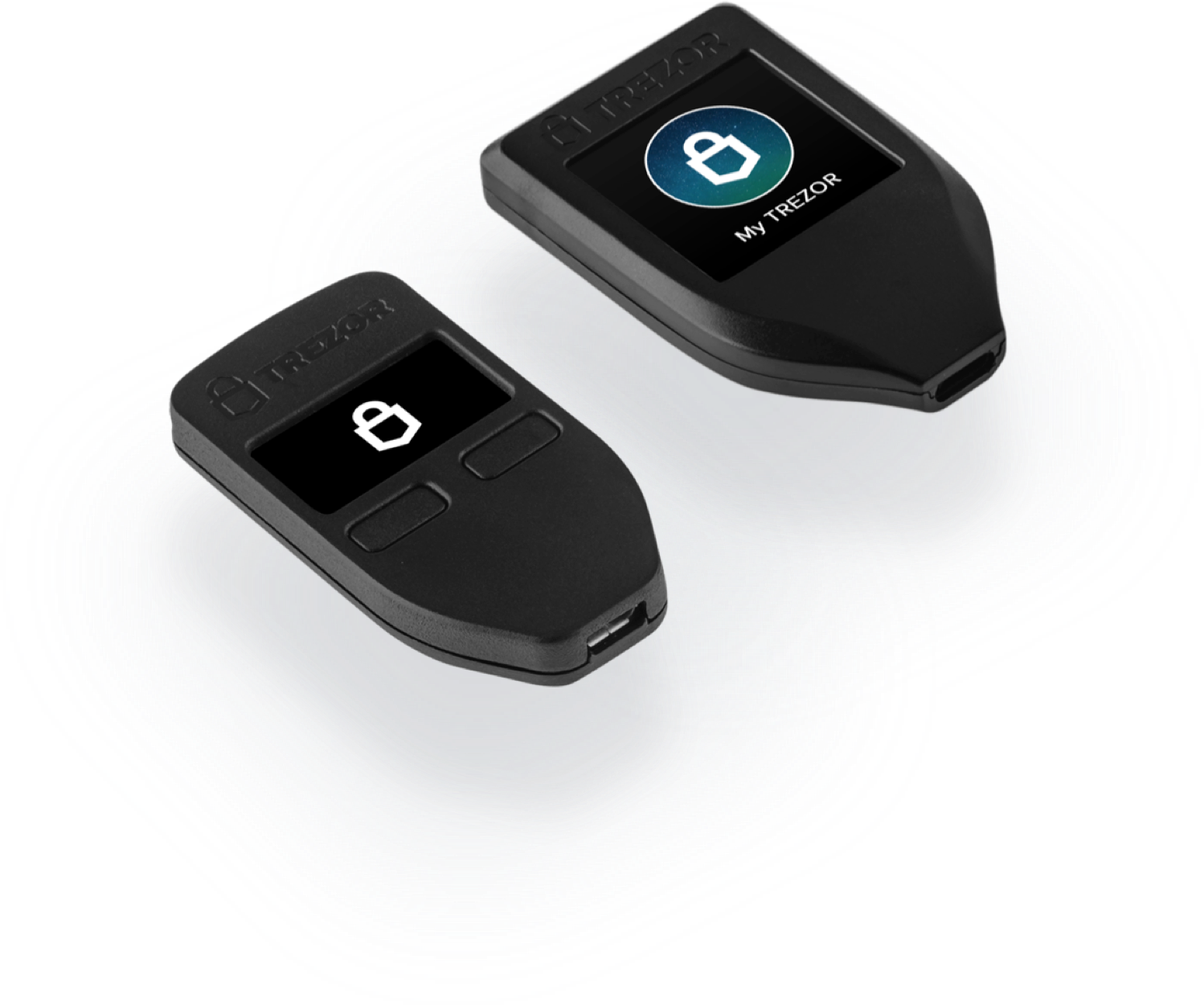
Then a cold wallet which takes your crypto offline and can include the need for you to physically press a button in order to allow transactions to take place thus preventing hacking attempts.
Transfering coins from Coinbase to a Wallet
In order for a transfer to occur you need to utilize a network to record the translation in a ledger and to then have that translation added to the blockchain. To understand this is quite tricky, and I’m not there yet; but then again I’m sure understanding the SWIFT network is also pretty tricky. Using this network is pretty easy in practice, you have an address and coinbase can send and receive with a scan code…. That’s pretty much it.
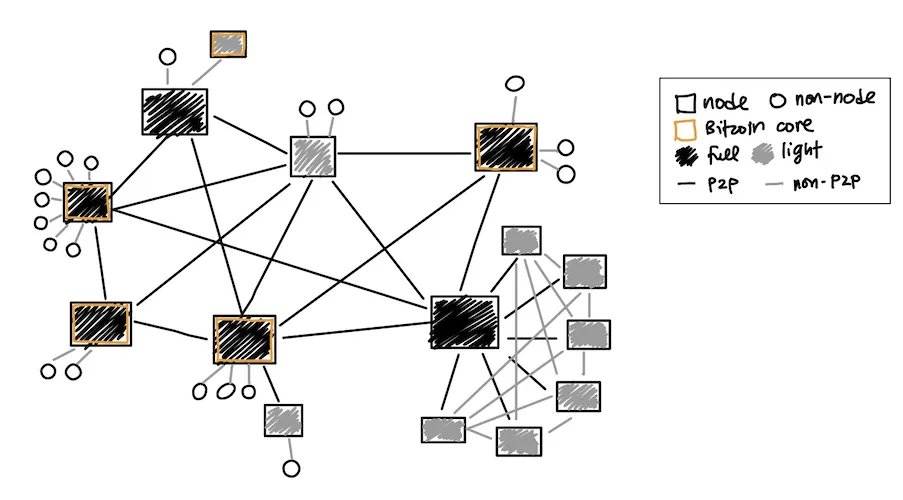
As your transaction must be recorded on the blockchain you have to pay a fee for this transaction, this is called a gasfees.
Adventures into Web3.0 and Finance
When you dive into the world of Crypto it pretty tempting to understand other components. First of all what is Crypto mining and why is everyone on Youtube shorts talking about it?
What is Mining
Every 10 minutes the bitcoin network releases an ever decreasing number of bitcoins as a programmatic reward for miners solving computation problems. There is a limited projected number of BTC possible at 21 million and 19 million are currently in existence. This will end in 2140 when there will be no more BTC to be found.
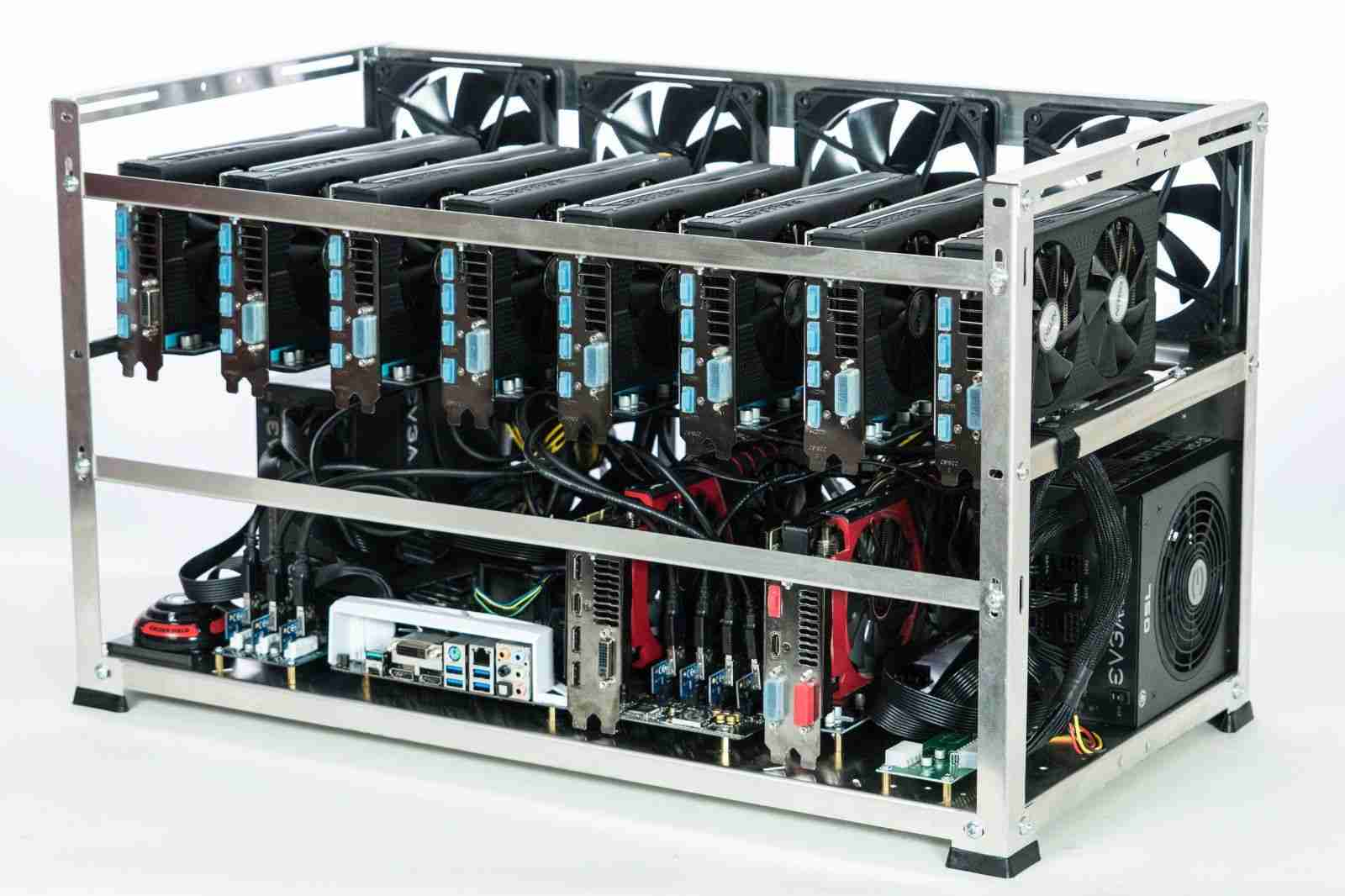
This approximate 10 minute interval is the mechanism which keeps crypto timestamps and prevents double spend of crypto coins. As BTC are lost over time this means the value will inevitably rise assuming the same adoption rate. And so some people choose to set up mining rigs to find these remaining 2 million BTC, however as the supply is predetermined the more people mining for coins just means that mining is less profitable.
Inflation
Inflation is the rate at which your money loses its value, effectively; and most reliable currencies target a 2% inflation rate. Here for example is the Swiss inflation rate for the CHF.
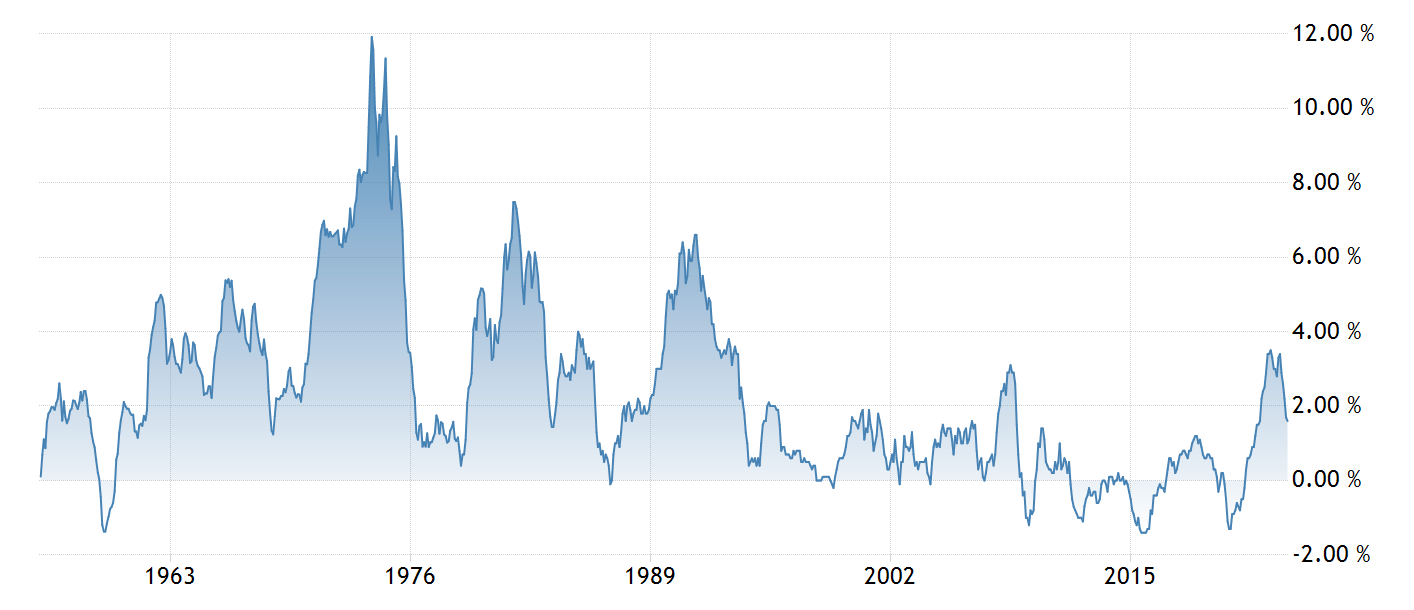
As far as I understand, an inflation rate of 2% is generally accepted as a good thing to encourage people to put their cash to work in a productive manner; however, the flip side of this argument is that it encourages consumerism. In either case I’m no economist, for me the CHF is just fine but I have opted to buy assets rather than keep cash around even in CHF. And to speak candidly I do not quite understand why the prices for everyday things should be on the rise at the same time that society has embraced technology so heavily. We’re trying to make everything easier and easier to produce, so prices should go down, not up.
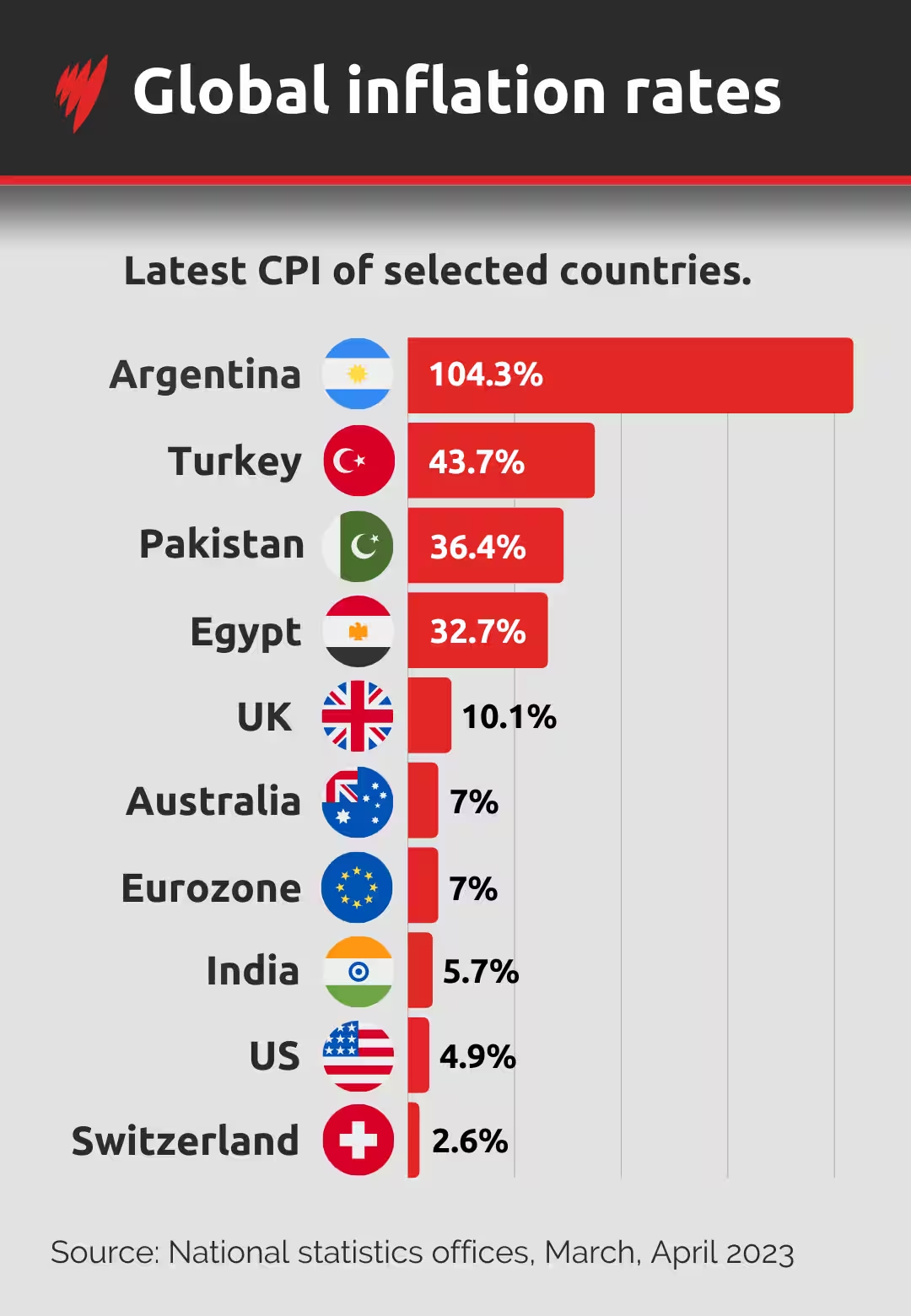
Certainly hyperinflation of Argentina is not a currency anyone outside of Argentina would be willing to accept, I believe they are currently at 104% inflation, meaning their currency loses half its value officially each year; and of course the official number is on the low side. My understanding is that in Argentina you aim to spend your salary as soon as you receive it. You should also, in theory, have to re-negotiate your salary every year just to keep up.
NFT’s
If you’re in the Crypto space you’ll soon hear about NFT’s. They are tokens to represent the official copies of artwork. However I’m not sure they are going to function that way for long, my guess is that tickets of all kinds, airline, conferences, music festivals will soon become NFT tokens as they allow for the creator of the token to take a % profit of any transaction done ontop of that token.
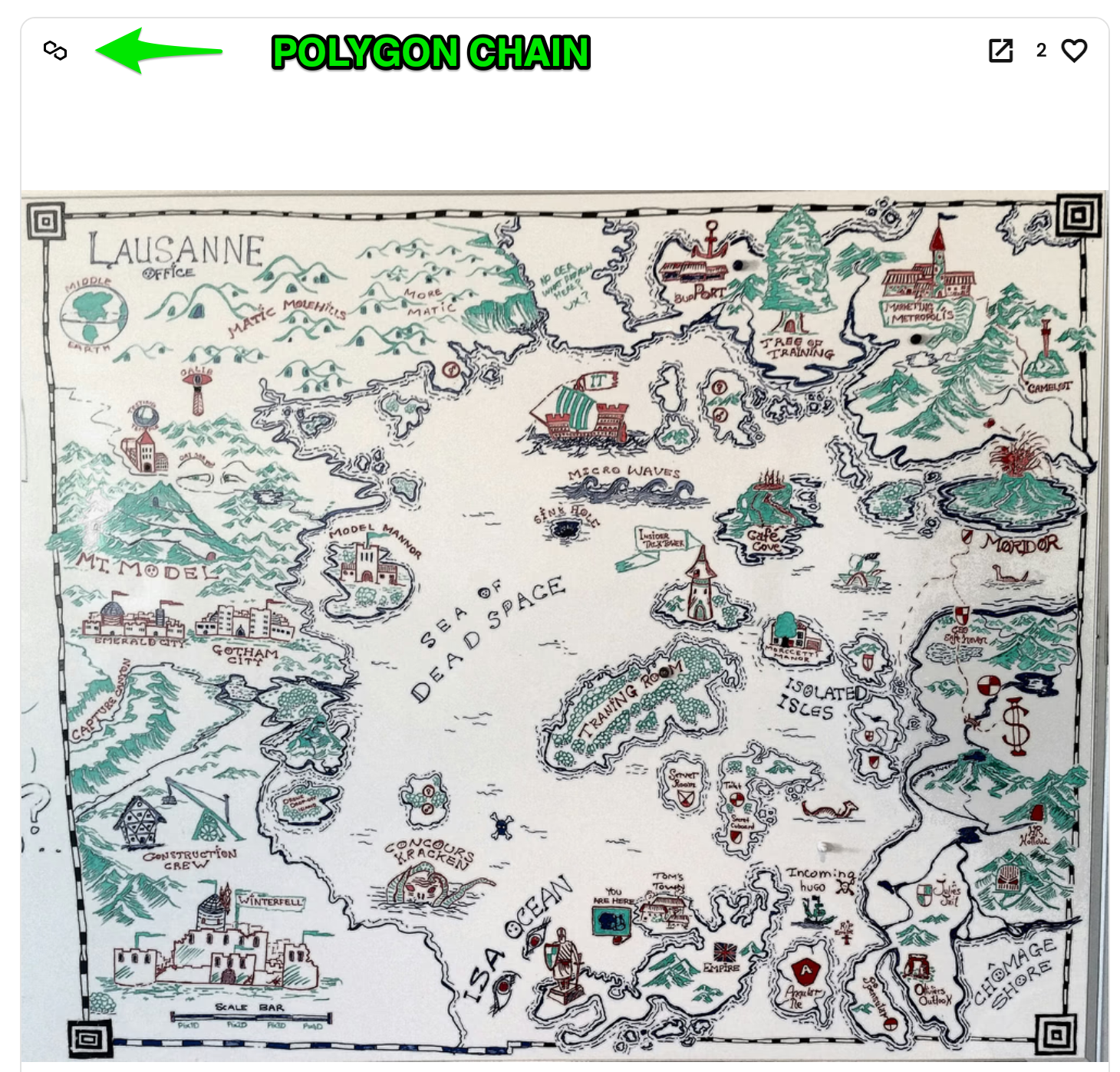
I wanted to try this out for real so I created a piece of nostalgic art, built up some hype, minted it as an NFT and auctioned it on Opensea. Please feel free to check out the auction but essentially I sold the piece faster than I intended for the equivalent at the time of 200 Euros or 0.02ETH.
Assets Investment Vehicles
The discovery is that there is the possibility to create a valid functional monetary unit through a mathematical operation and long chain cryptographic process and protocol. This can only be discovered once as its the discovery of a functional combination. Others can innovate ontop of this, but the breakthrough is just less impressive; I wouldn’t personally invest in additional coins, although many do and many are very successful with this. I’m looking for a practical asset class to supplement the more classical savings approach.
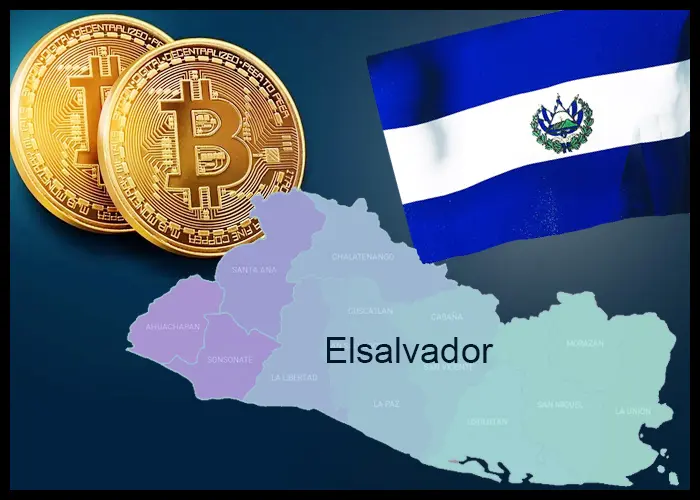
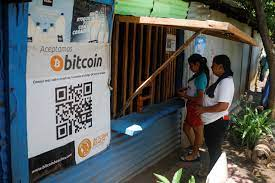
Large investment funds seem as if they are now adding BTC to their investment portfolios and for the first time BTC is taking over 50% of the crypto market. More forward thinking countries are legitimizing the currency by legislating for it and even naming it as the official currency.
Of course time will tell and I’m not recommending anything to anyone especially other than myself but if you have any thoughts then I’d love to hear them. Also please let me know if I’ve made any mistakes here.
In summary BTC has been around for 13 years now and it’s been attacked quite aggressively, as far as I can tell it withstood the test of time. I was sceptical initially but I think it’s probably time to reconsider.
 Anything Mapping
Leave a comment