ANYTHINGMAPPING: a blog about maps, technology and art
-
Change Management from the pov of a geographer
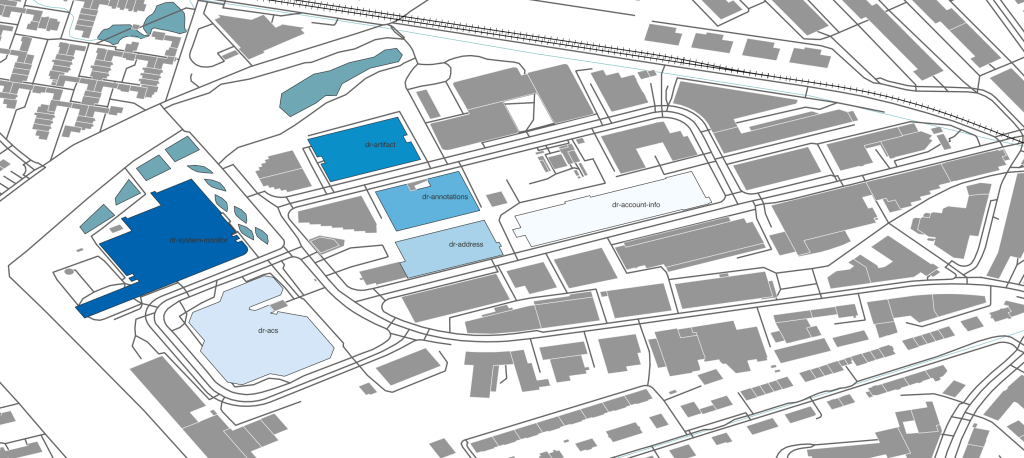
I find myself, a geographer, running the change management processes in a Tech company. While it seems like a .yaml chart code problem to people with a CS degree; moving containers in cloud infra seem more too me like a transportation network problem. For me there are three primary areas: Each of these 3 subjects…
-
Breaking the Gateway
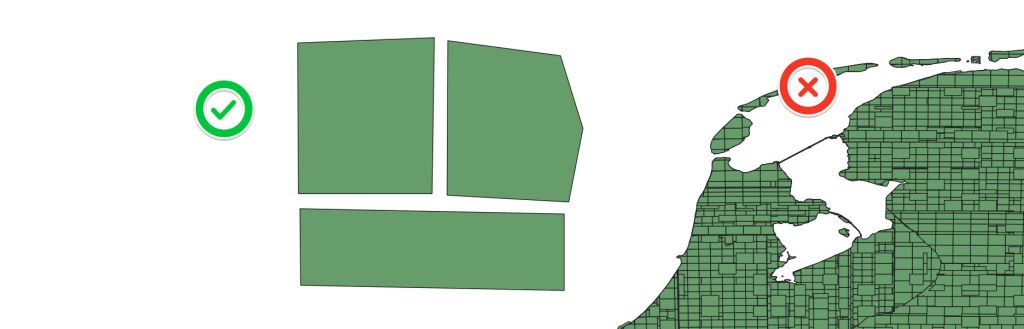
Defining delivery requirements in the Geospatial domain; and my favourite bug discovery. Communication protocols enable systems to communicate information; these definitions are API’s; Application Programming Interface. These protocols must be well defined to function. The list goes on within the computer science world geography isn’t normally in this conversation. While delivering a new API to…
-
Adding manual registration to HxDR
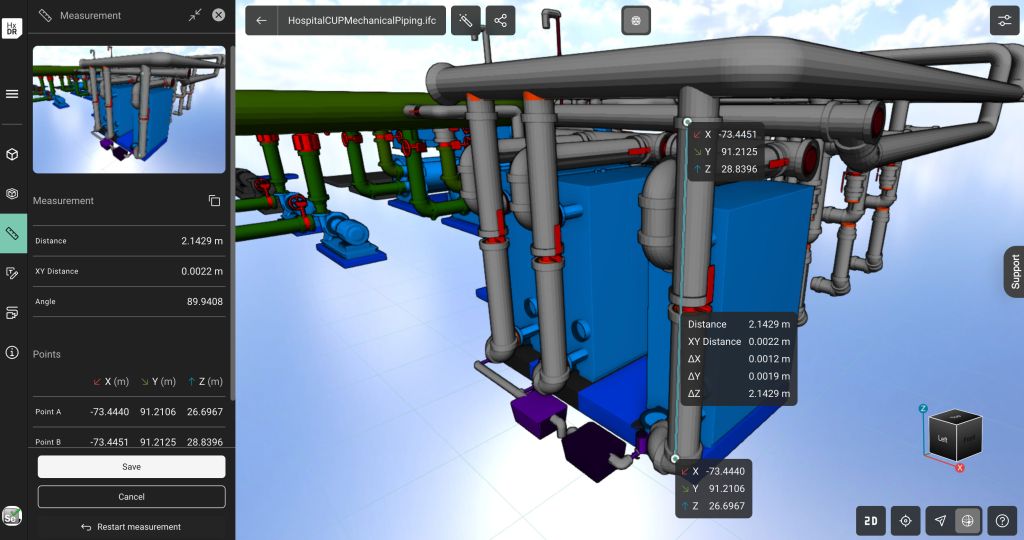
This is a QA log, kind of like a wanna be dev log. A bit less technical and fueled by butterflies and hope. At the HxDR team we’ve been digital twinning for a while. That is the process of combining multi-scale capture data to make a clone of reality. This week at HxDR we’re releasing…
-
Geopython 2024 in Basel CH
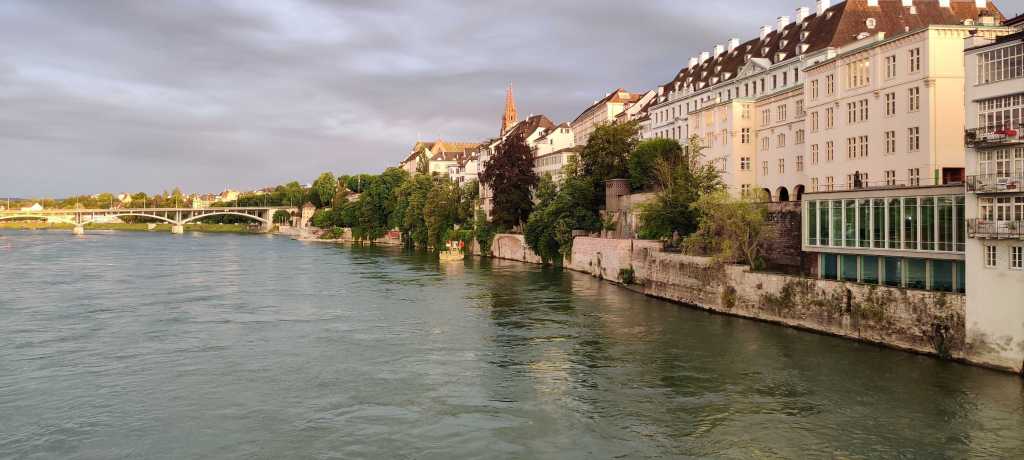
I was lucky enought ot attend Geopython this year; the brain child of Martin Christen’s, a professor at fhnw. Within the Geospatial domain Python is the goto language but its an increasingly popular language too. Presentations on the geo niche were not accepted in EuroPython and so Geopython was born out of cartographic frustration. A…
-
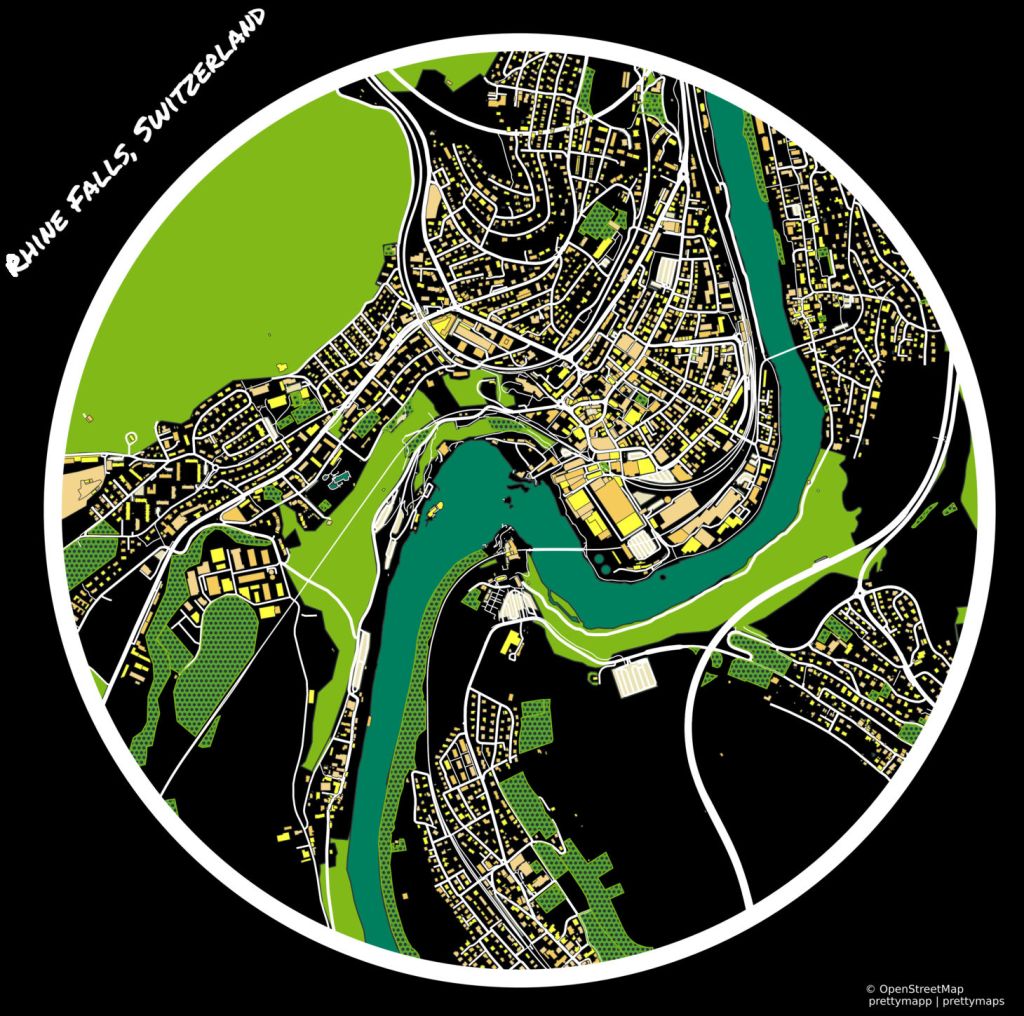
Rivers of Power by Laurence C. Smith.
I finished a great book and would like to share; Rivers of Power – How a Natural Force Raised Kingdoms, Destroyed Civilizations, and Shapes Our World. It explains the world from the physical geography of Rivers, covering among other things: For each River I’m using a stream-lit app on top of the pretty maps project.…
-
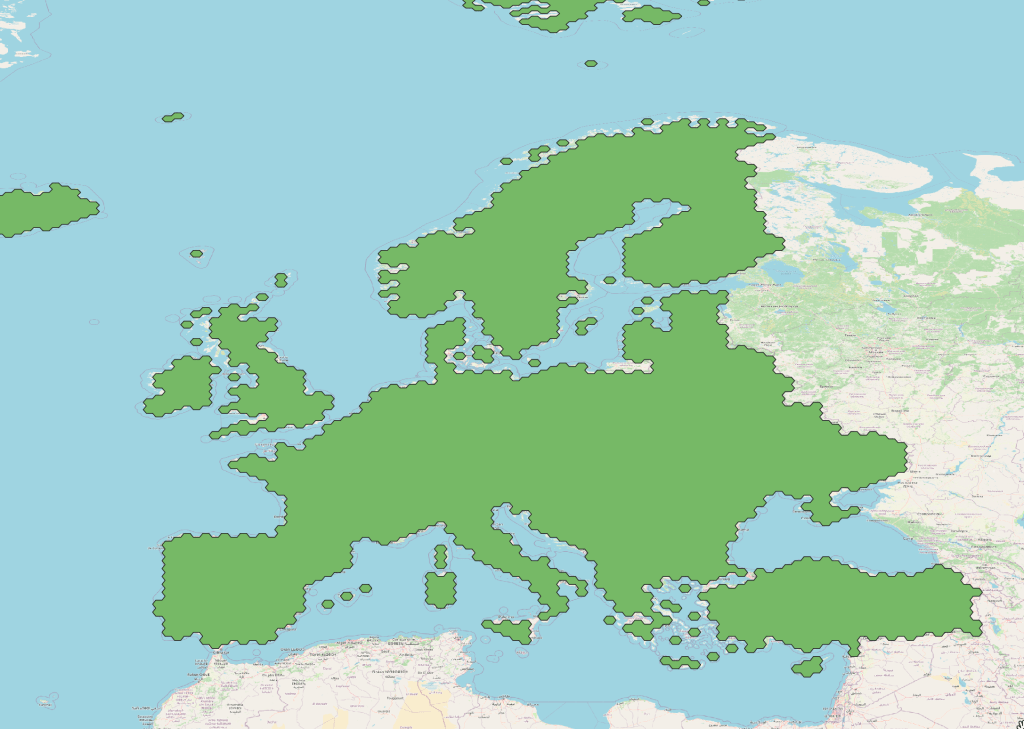
Spatial SQL
SQL is a standard language for interacting with DB’s and I don’t think we discuss it enough in the Spatial community. It’s a de facto language for interacting with DB’s which is platform agnostic. There are some great courses which I’ve dipped in and out of but the best is to just use the tools…
-
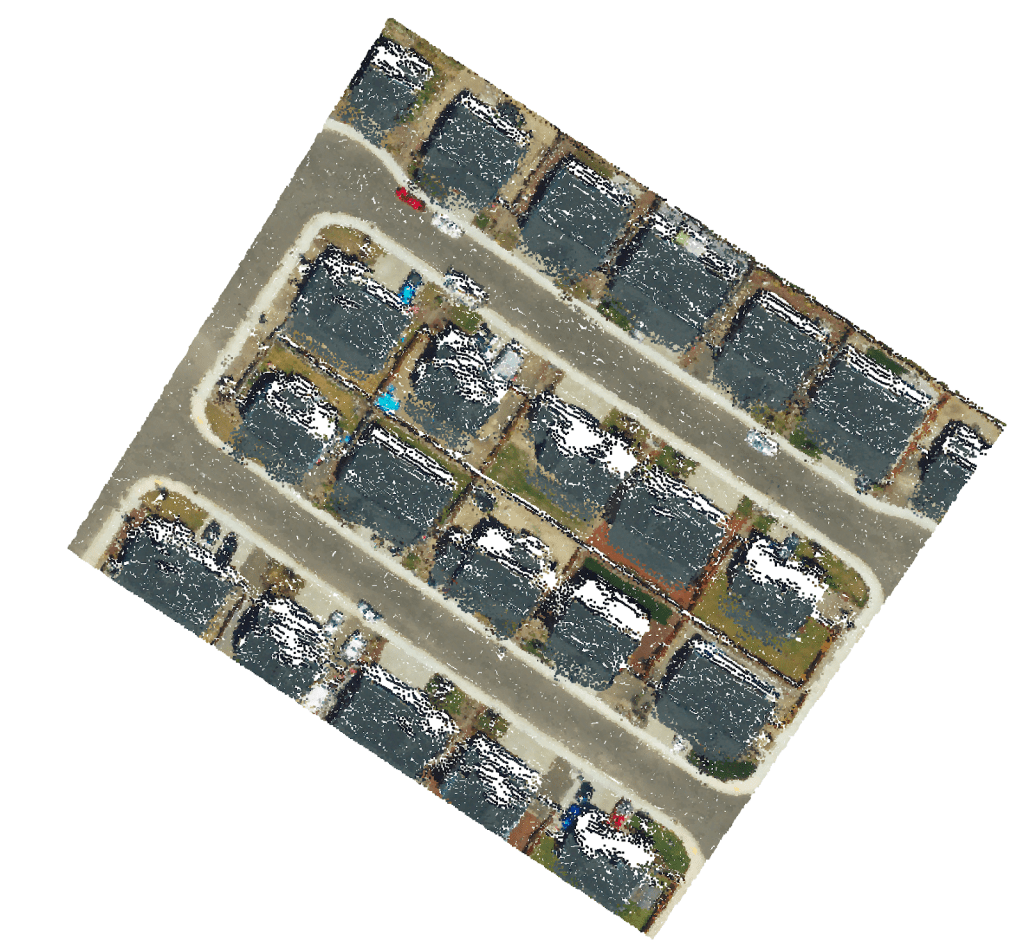
LAS srs and assignment in PDAL
One of the most popular, or even the most popular formats of 3d point cloud data is LAS. I’ve written about it before here, but in this example let’s take it further, let’s write some data. I’ve got some data with questionable srs info to start and I’m trying to work out exactly the issue.…
-
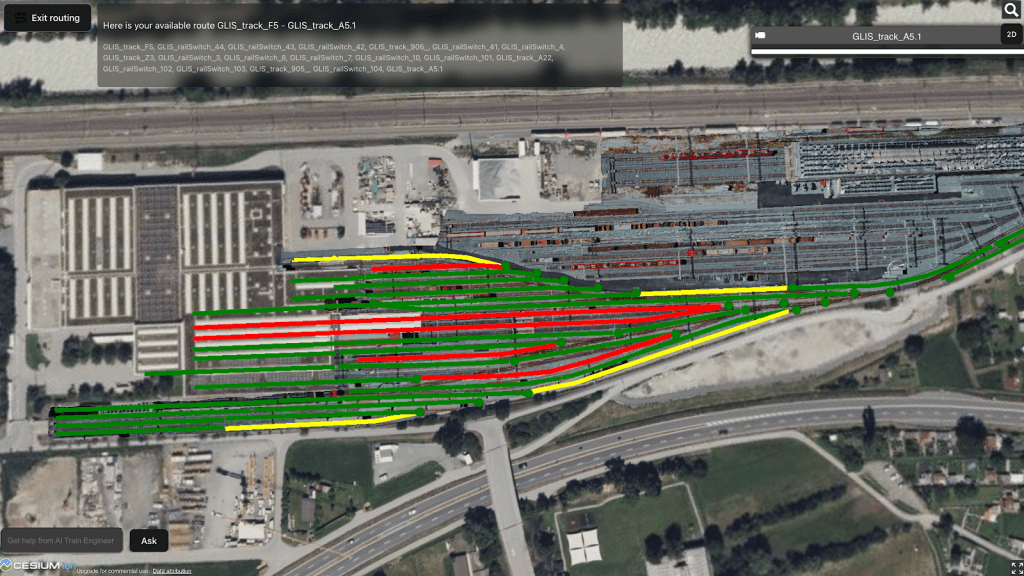
HackZurich 23
This year’s HackZurich challenge was to take information about a train shunting station in which locomotives and wagons come together on a network and create some kind of routing solution. Locilizing the information While we have .las, models, drone photography and .obj files, in order to solve a routing problem you have to build a…
-
Drone Licenses
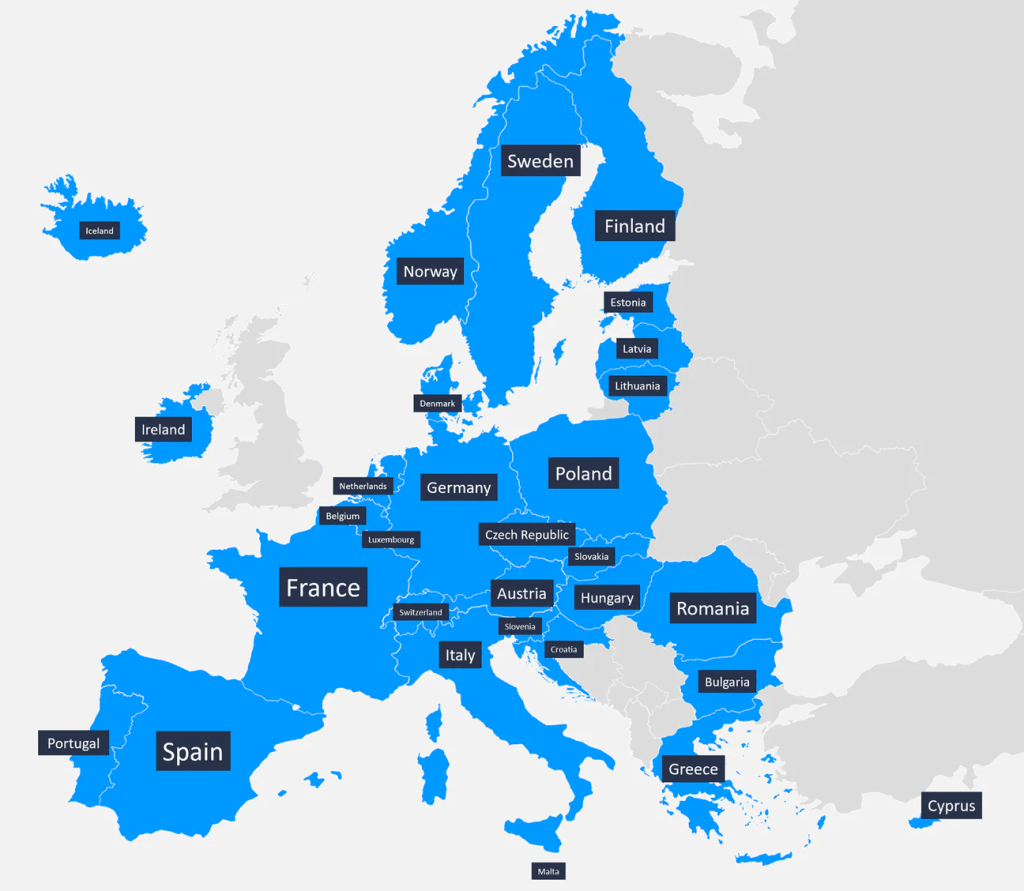
Regulations almost always lag behind technological innovations, and that is certainly true in the Drone space. Finally enough airports have been closed in Europe to make it necessary for the EU, Iceland, Norway, Switzerland and the UK to make some drone licensing rules. While the UK license is not valid in Europe the Swiss and…
-
Building with GraphQL
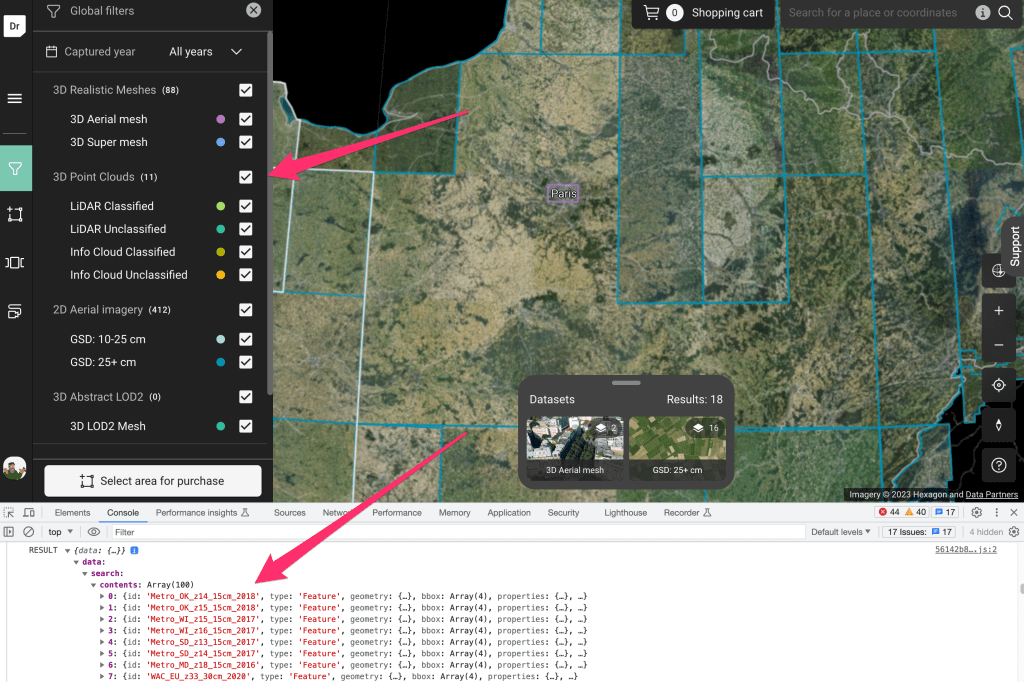
In order to create and maintain any kind of system you need to be able to perform operations on your data. GraphQL solves some very specific problems to do with how you perform CRUD operations. However it is pretty important to understand some of the limitations with restful routing before graphQL makes any sense at…
-
Bitcoin basics and Web3.0
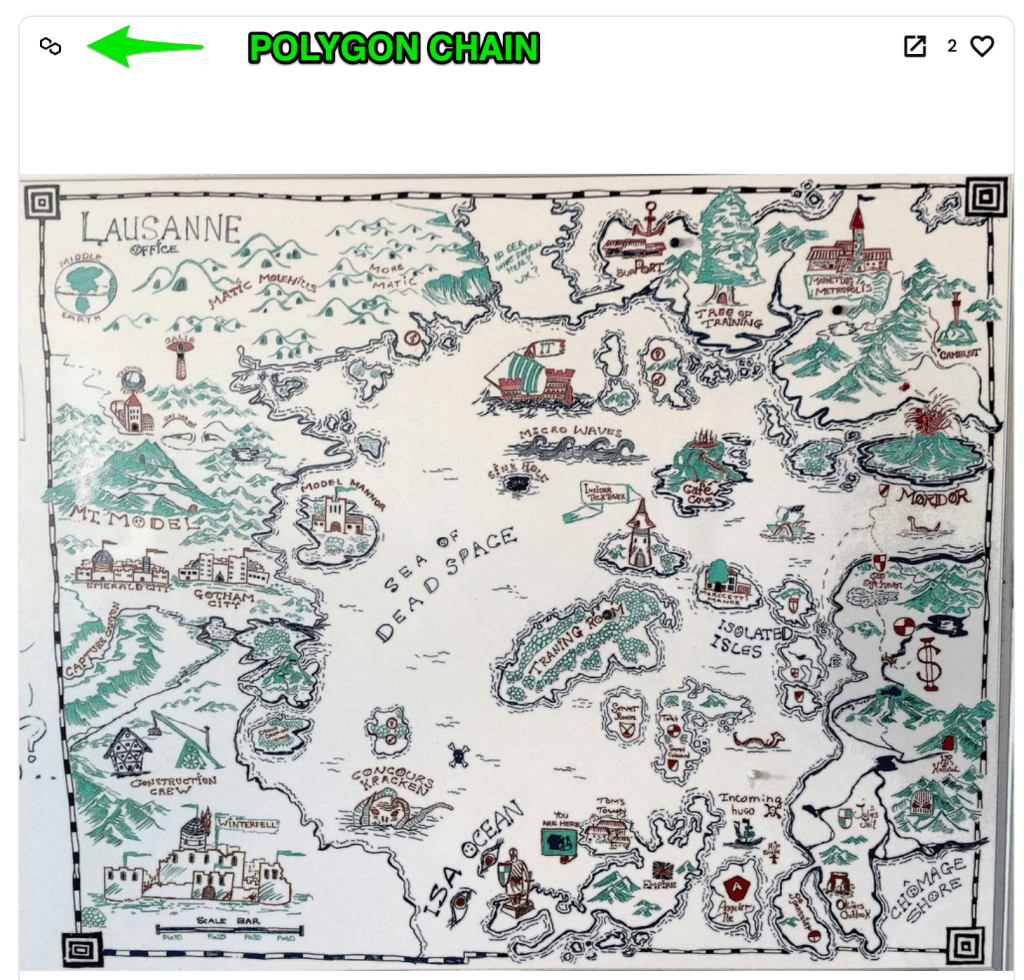
You can think of Bitcoin as both a currency and a bank which exists on the web and was invented / discovered by Satoshi Nakamoto in 2009. Since then governments have come to grips with the idea of a digital currency and it seems that with the collection of taxes and official regulation, crypto and…
-
Quick GDAL
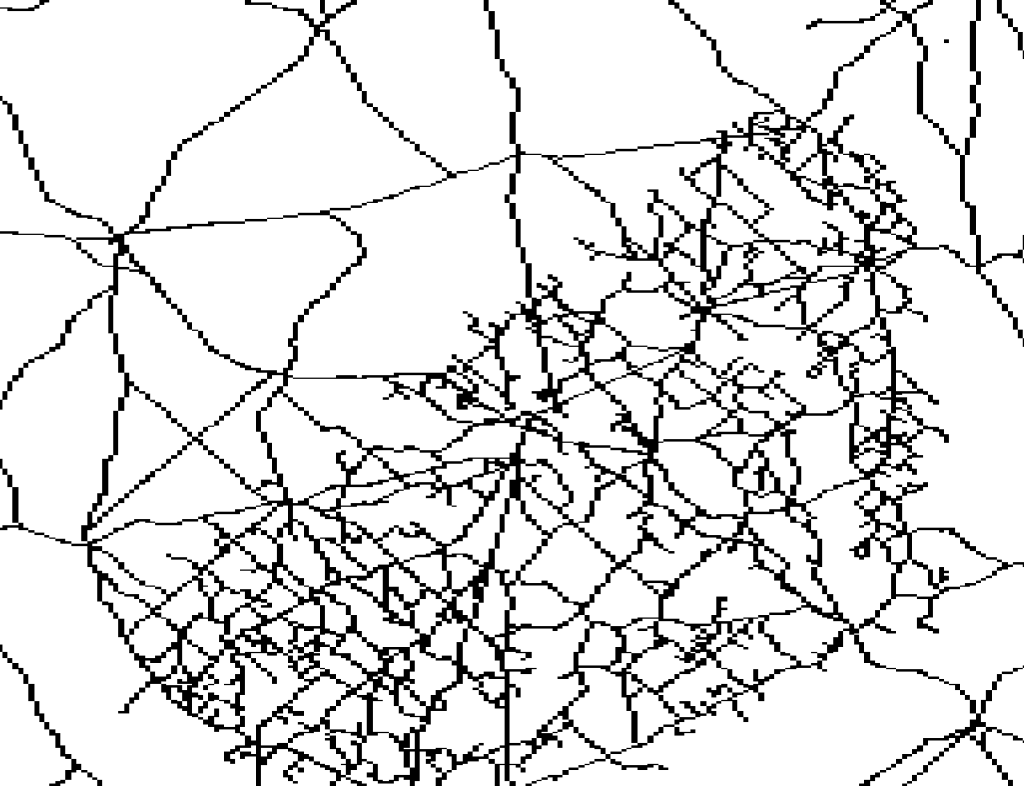
WHAT IS GDAL / OGR GDAL or the Geospatial Data Abstraction Library is awesome. Its one of the foundations of geospatial software and mastering it can really help with daily work processes. Originally this thing was two separate libraries, GDAL for Raster Data manipulation, ORG for vector manipulation. This separation between the two libraries still…
-

AWS Cloud Practitioner
I’m currently working on a cloud product which is utilizing the AWS cloud; so it was a great time to study for and take the AWS Cloud Practitioner Exam. Here are some of the details on how I prepared for the exam; but none of the details from the actual exam, just logistics. AWS Exam…
-
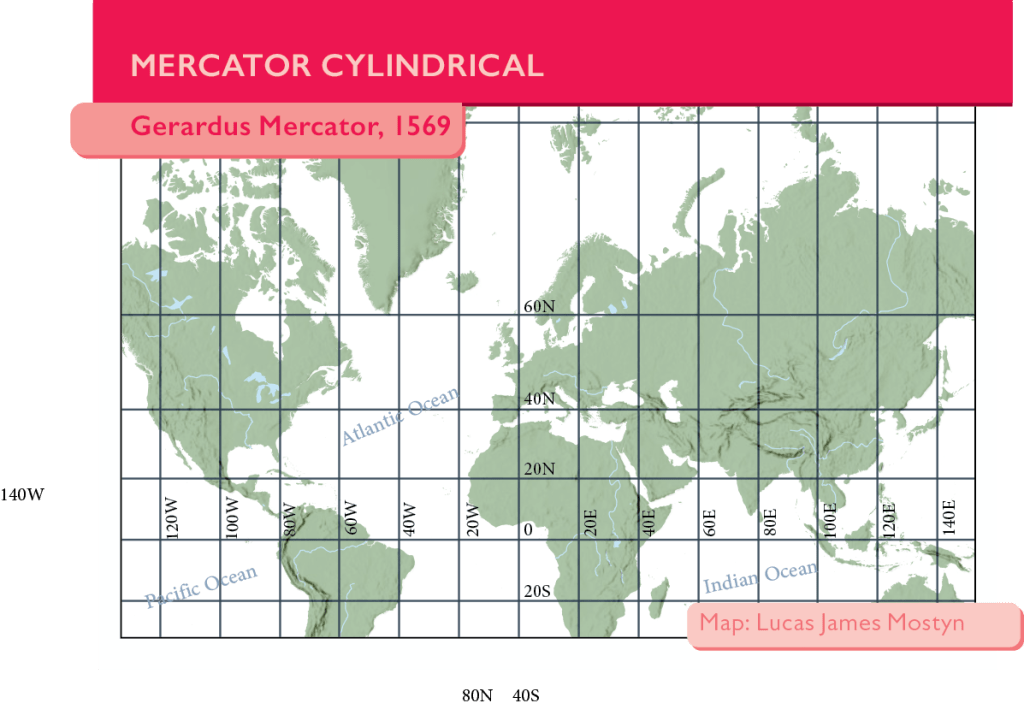
Projection Cards
This was a fun little voluntary project organized by Danield Huffman from somethingaboutmaps.com to produce a series of project cards.I thought it would be a nice opportunity to share some of my working notes to see if my process makes sense and just to put it out there for others to use. Inspiration First of…
-
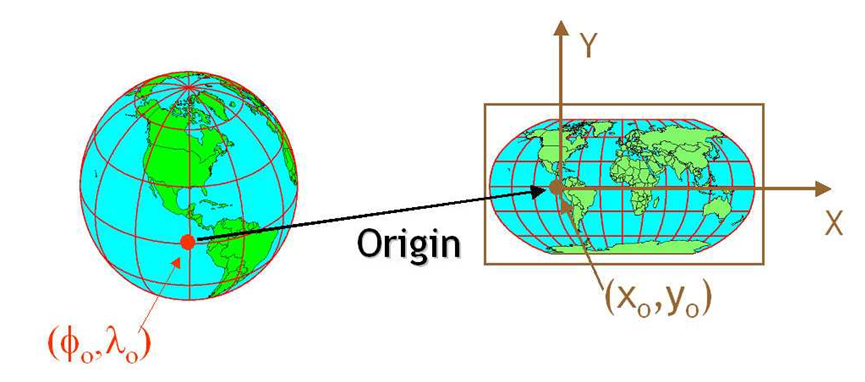
Why do Coordinate Systems matter
consider a crs as a tech stack thats been in development for 2500 years.
-
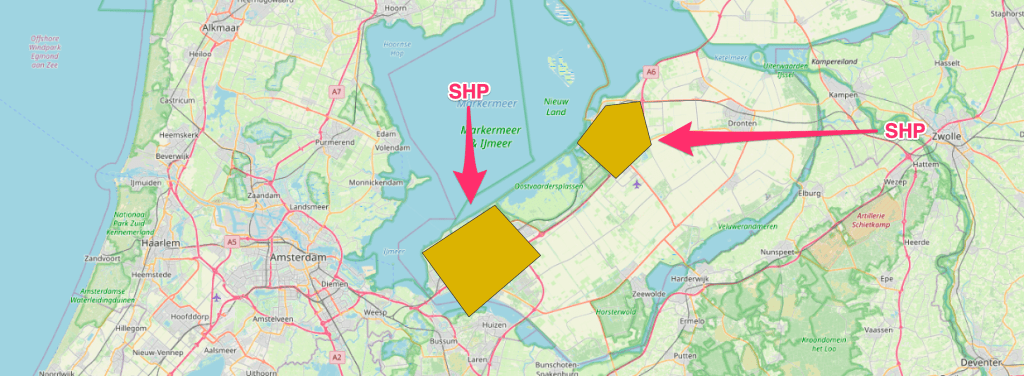
Working with Shapefiles
Shapefiles are an old file format, originally developed by ESRI, which have become a common way of working with Geospatial data; much to the chagrin of ESRI who have ever since been trying to migrate to a Geodatabase format. A shapefile is driven by is .shp extension but can contain upto 17 different files adding…
-
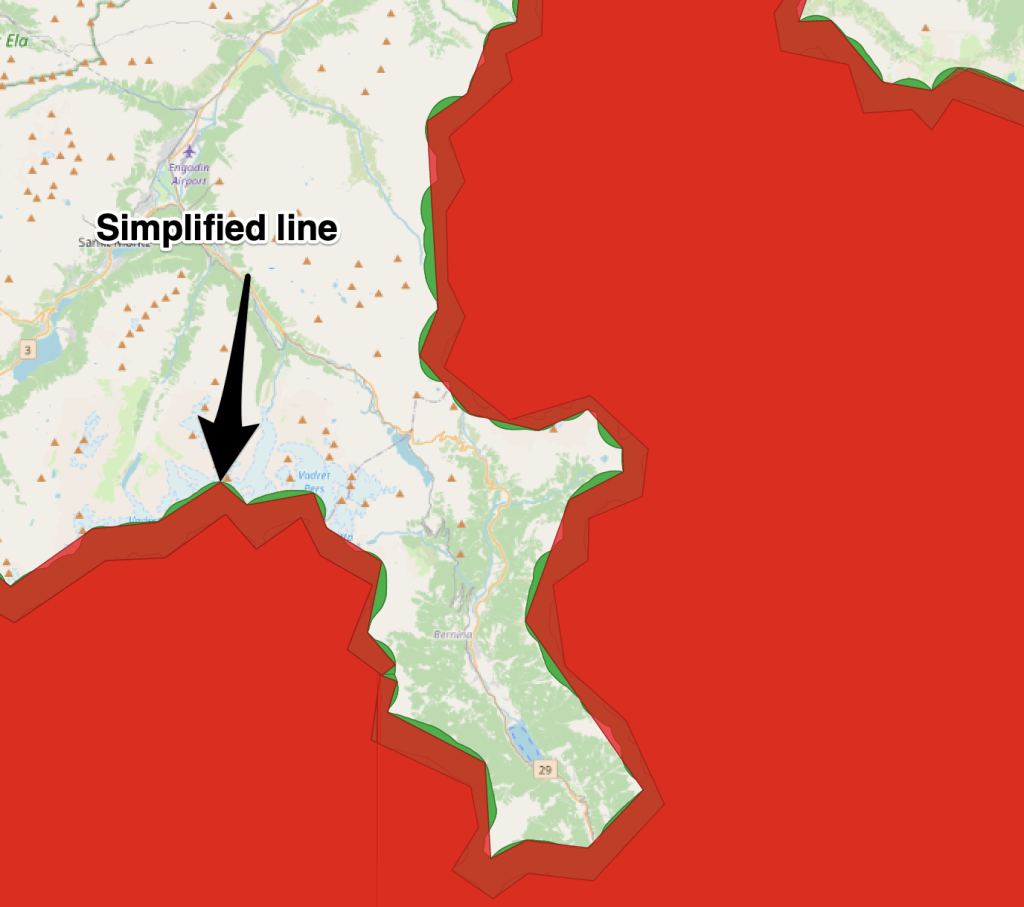
The simplification of our data coverage
how to simply a line and save a lot of space
-
How to work with point cloud data
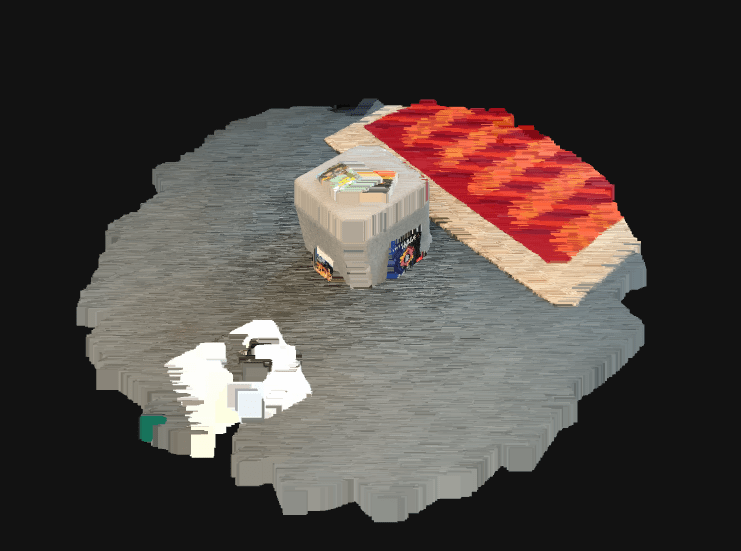
Fundamentally point cloud data is just a lot of points needing to be represented in real or cartesian space. As a colleague recently pointed out to me, computer science is just moving information from one place to another. So the format in which we move data can become very significant and really understanding the schema…
-
The P4 Multispectral by DJI
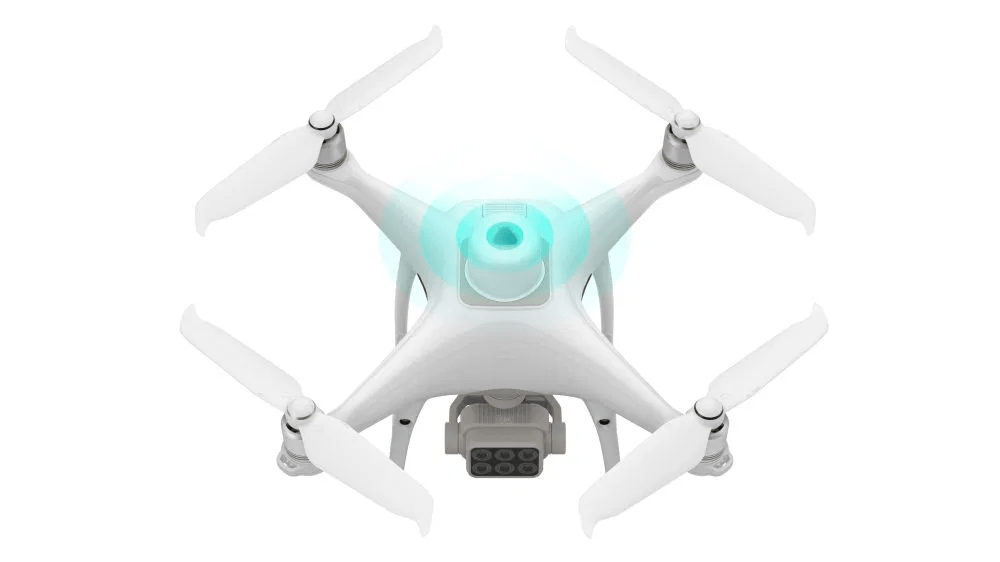
Let’s look at some imagery collected from DJI’s P4M setup released last year. It’s being sold as a full agricultural solution. The Phantom 4 Multispectral (P4M) is shipping with one RGB camera and five narrow band sensors, including red edge and near infrared.
-

Automated Testing for Geospatial Applications
We really don’t want to break things that work, it’s super frustrating. We test to make sure that any changes we make do not break another piece of the code in our applications. Of course manual or exploratory tests are important but the dream is to get this stuff fully automated.
-
Basics of Drone flight
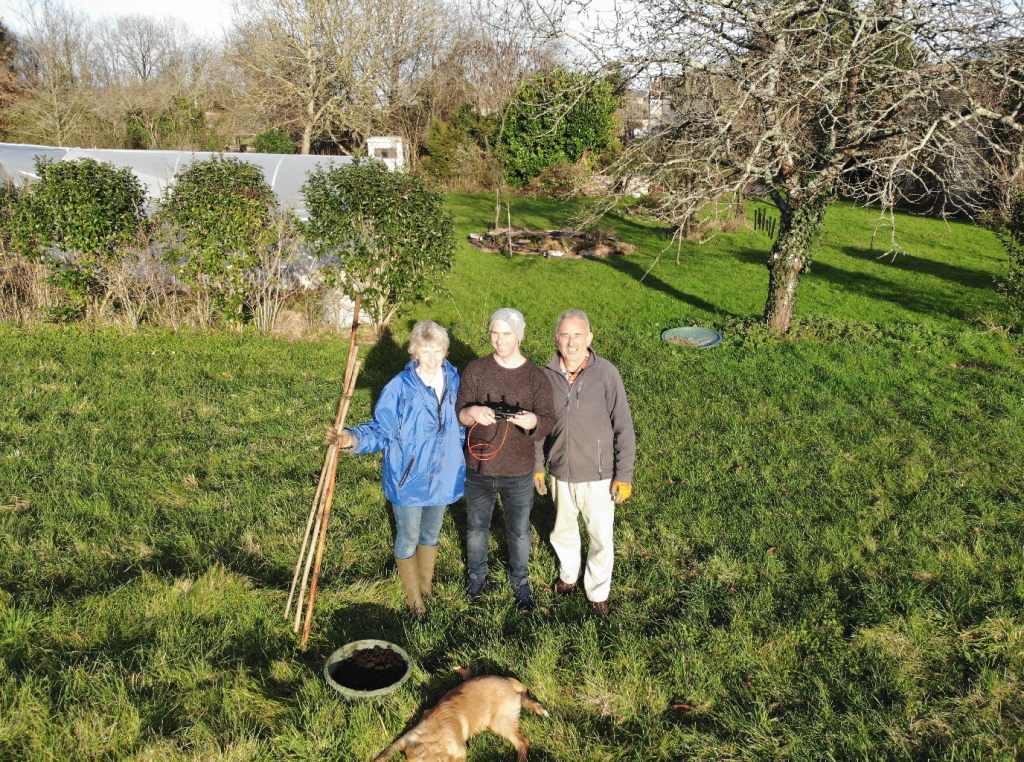
How to Capture Drone Imagery How to capture some cool drone imagery with a few pro tips.
-
Building a Raster Mosaic from LINZ Tiles
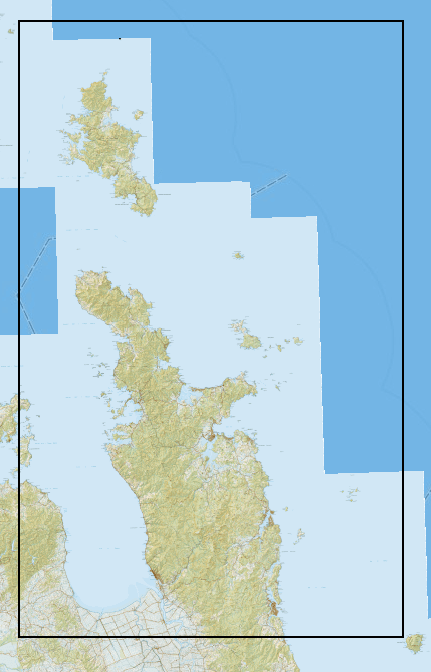
This is a quick note on cached tile services vs building a raster mosaic.
-
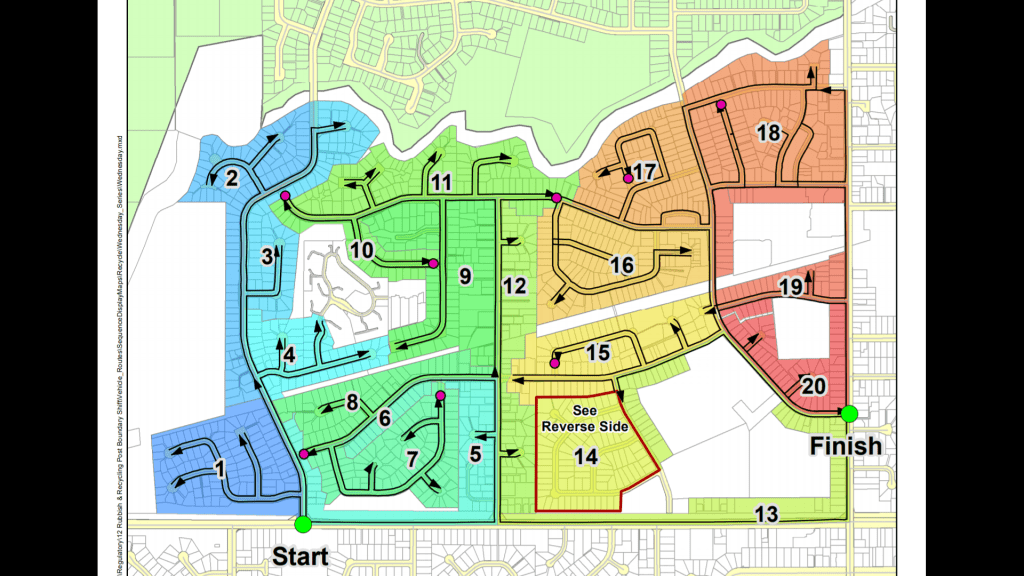
Representing Routes
Calculating a collection route to optimally cover an area leaves you with two problems. Communication to the operators who need to be able to drive the route. Communication from the drivers who need to make changes.
-
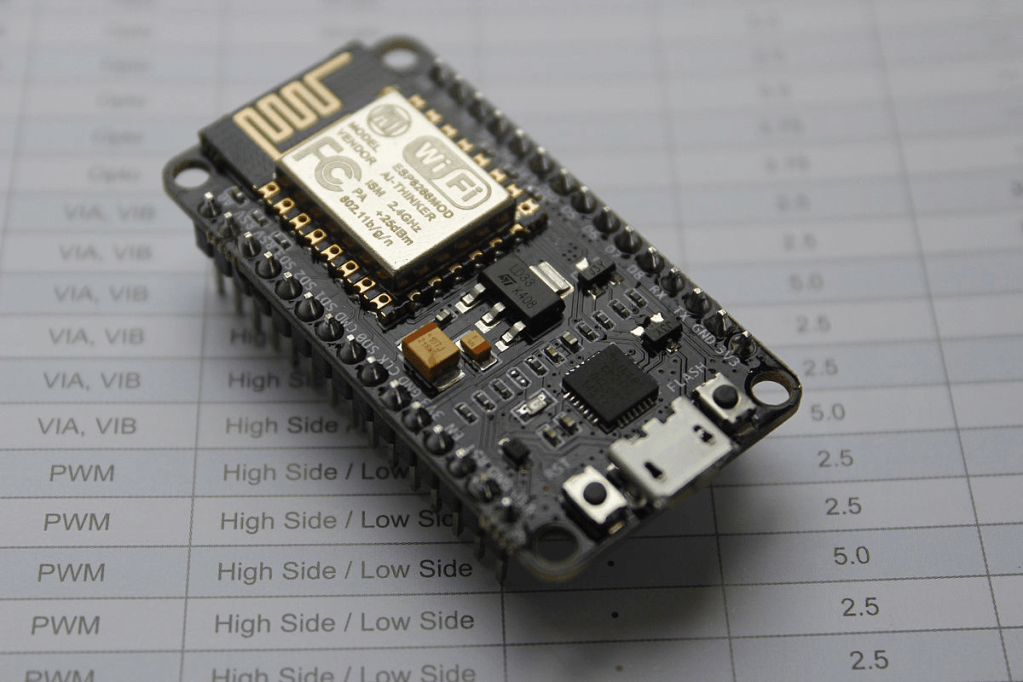
Developing on a NodeMCU board with Micro Python
I have a problem collecting rubbish and recycling saturation data. I’ve tried developing on existing ESRI apps to collect data and store it in the cloud. Its failed every time. These approaches failed because no one likes doing data entry on a phone or tablet, the guys who drive the truck. A clipboard is still…
-
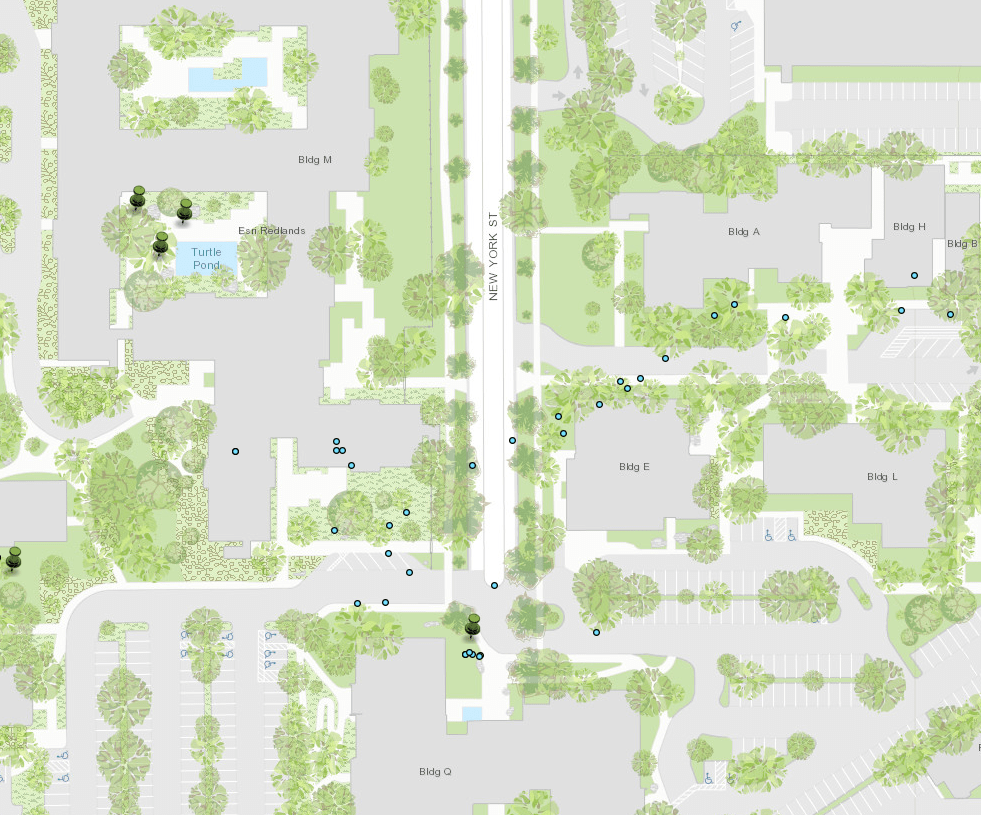
How to record your GPS location
How to track with GPS
-
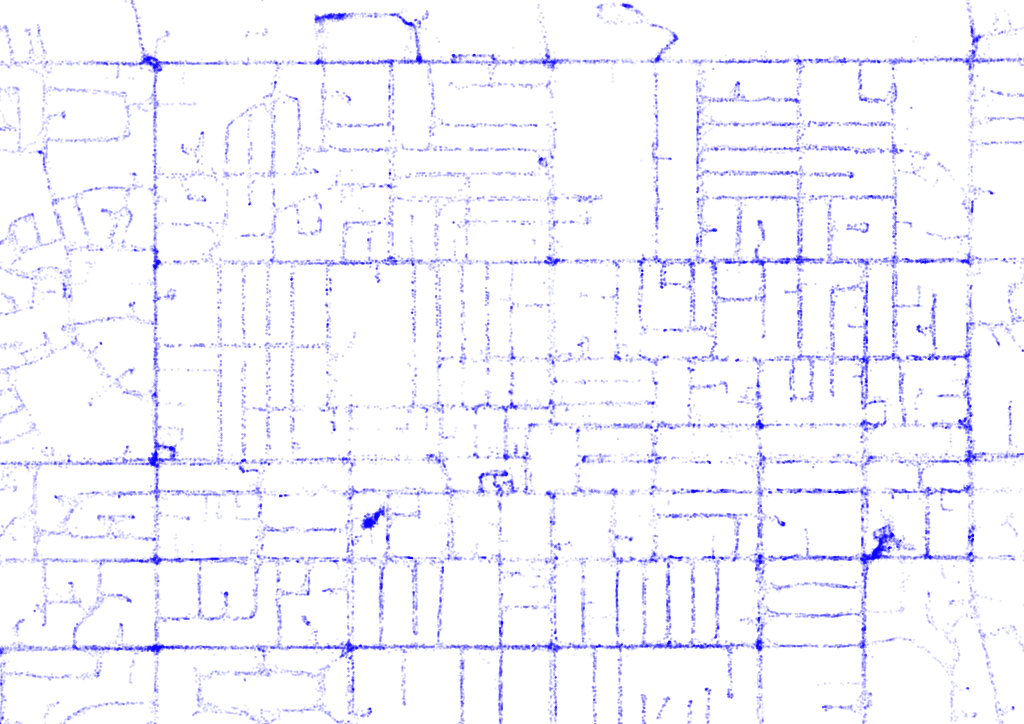
GPS City
Using millions of points to make a road map!
-
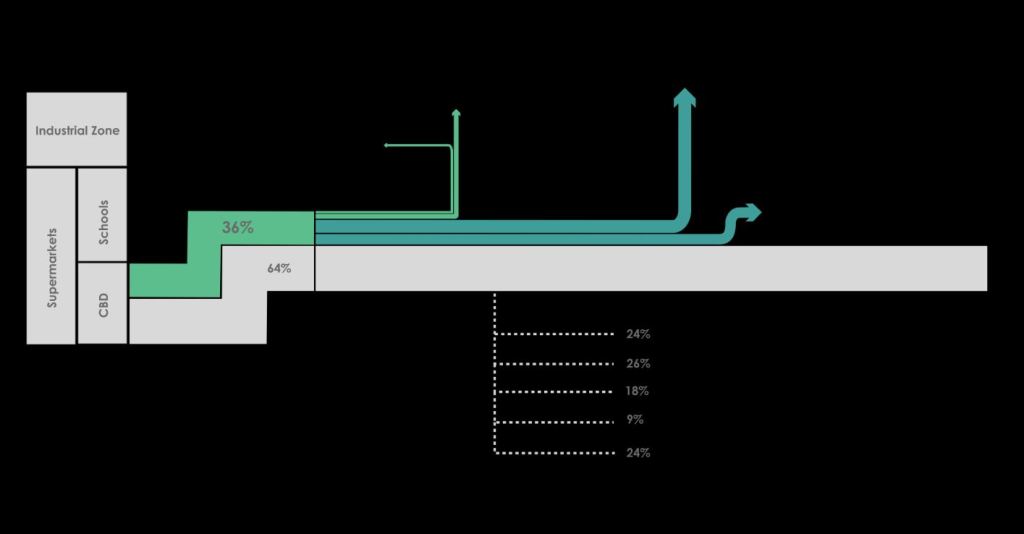
Redirecting from Landfill to Recycling Services
redirecting landfill to recycling, a story told in maps!
-
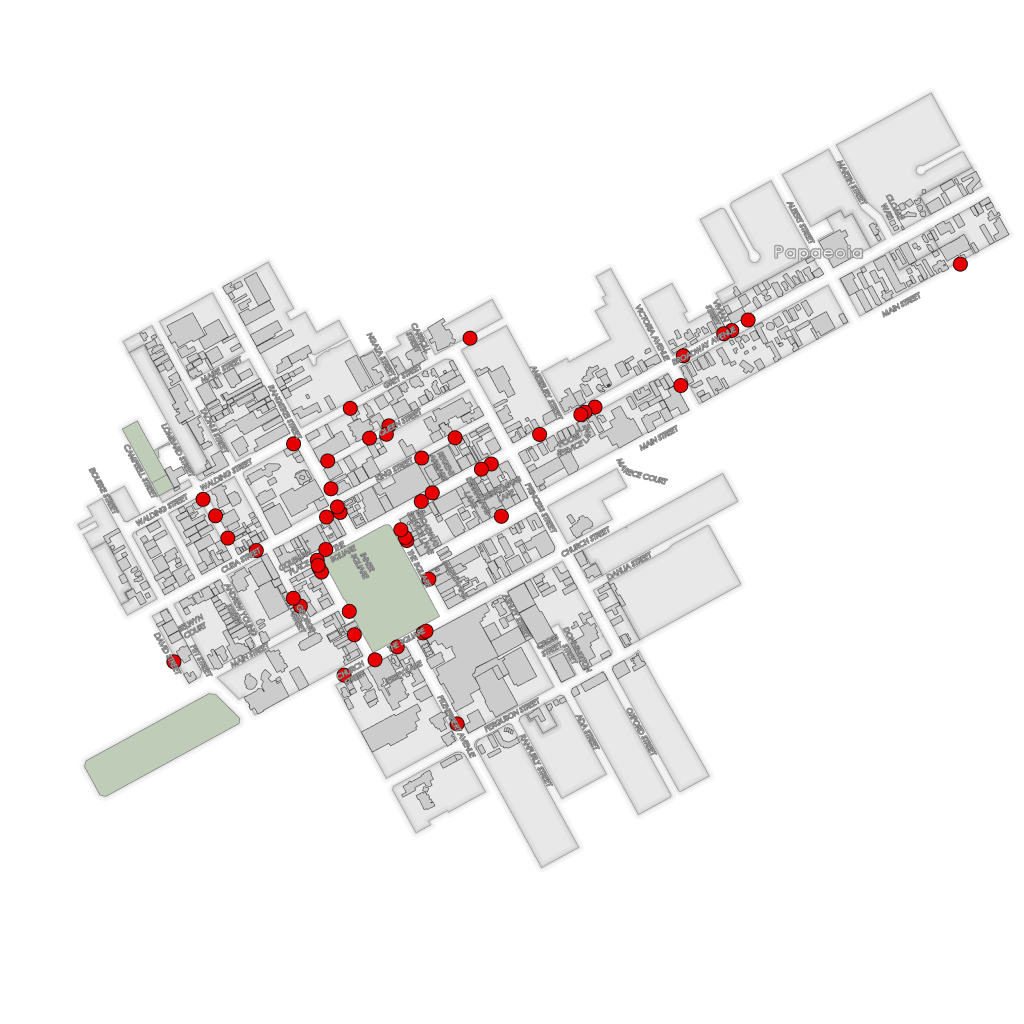
Cheap to Environmentally Friendly
Details of a recycling strategy, in maps!
-
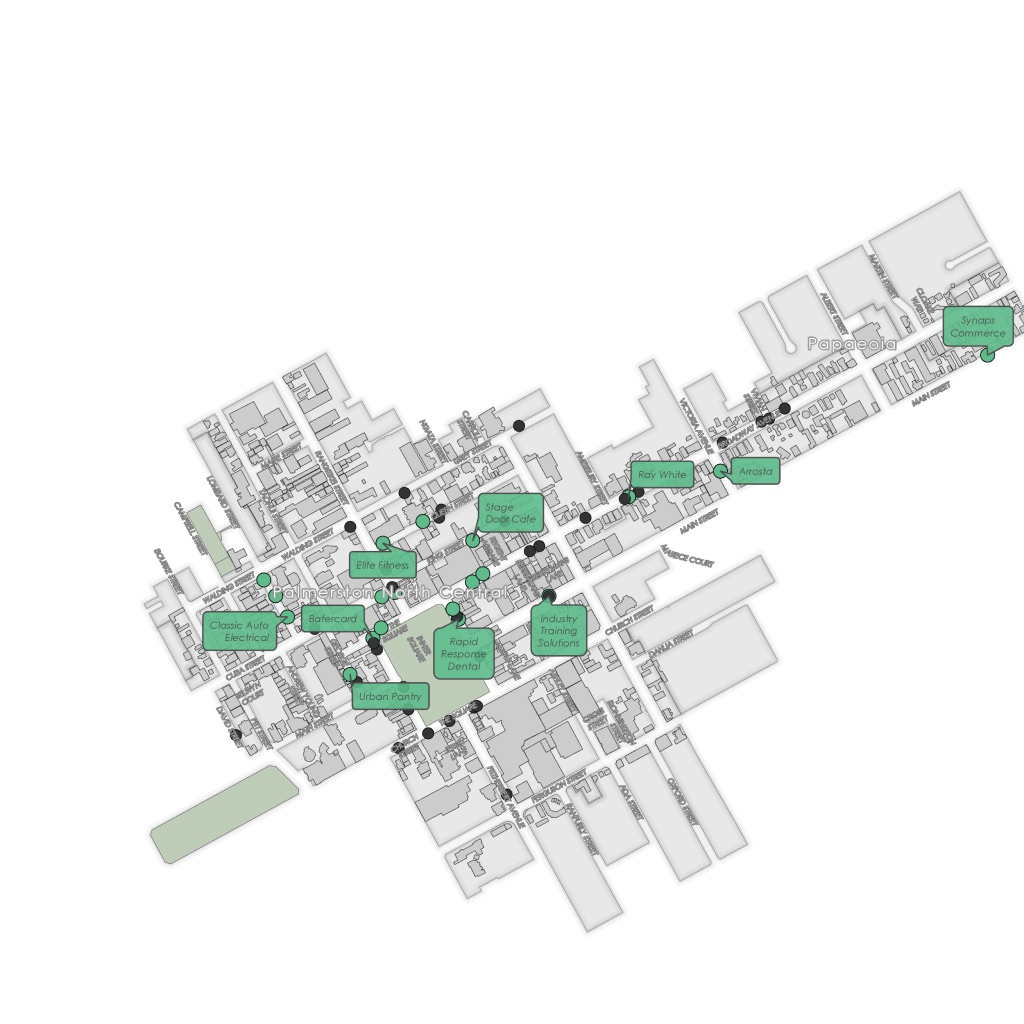
GIS for Sales Reports
GIS used for a social good and a commercial service.
-
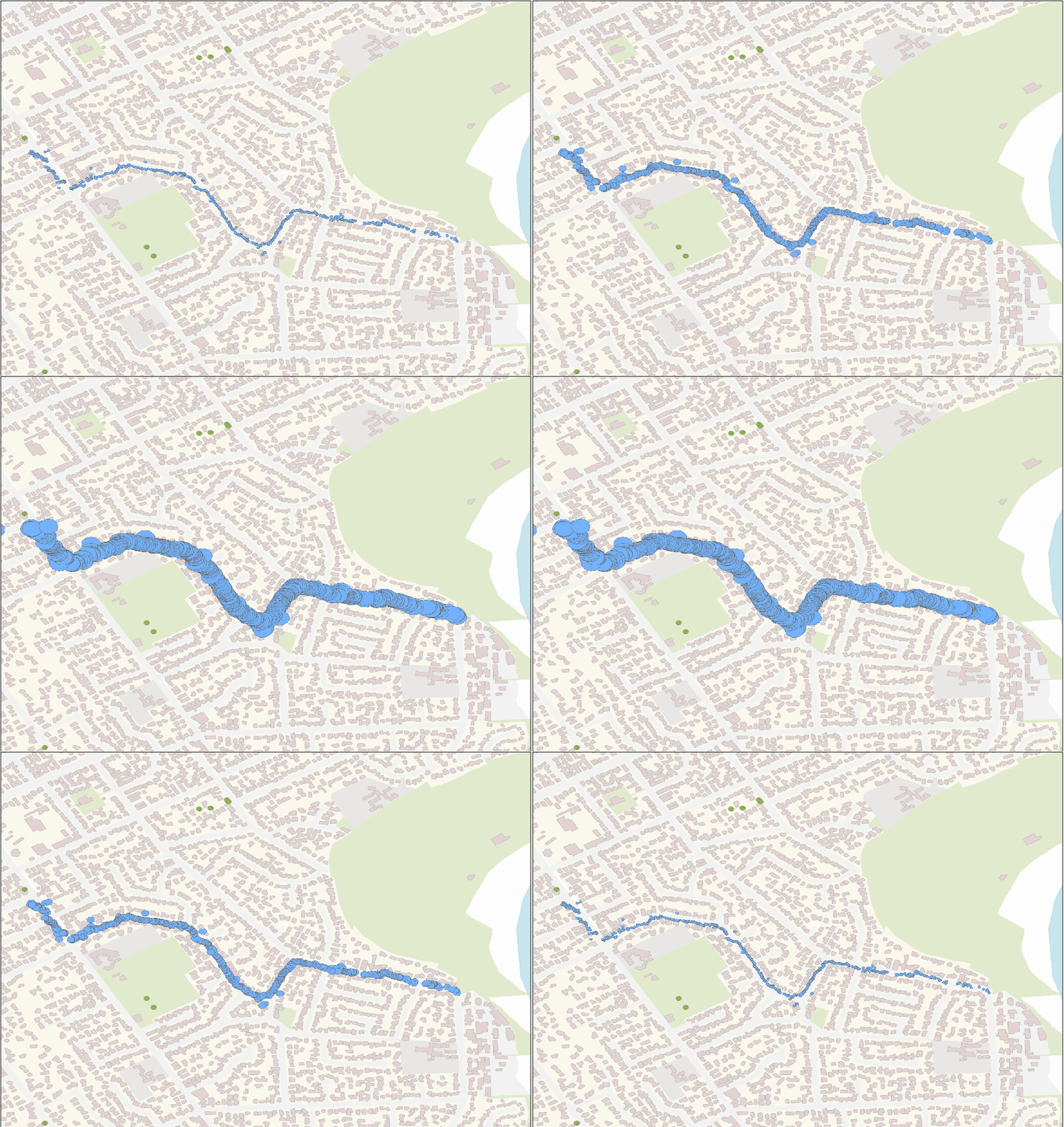
Animated vs Static Symbology
compare the two images
-
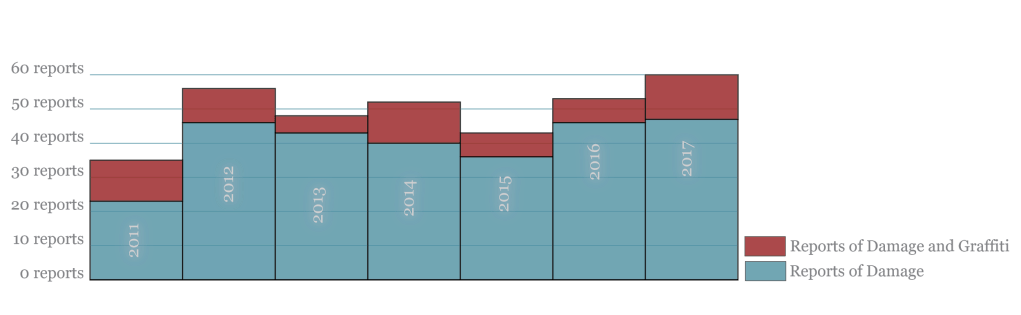
Bus shelter after bus shelter damaged make change necessary
cleaning up the city! mapping for some social good.
-
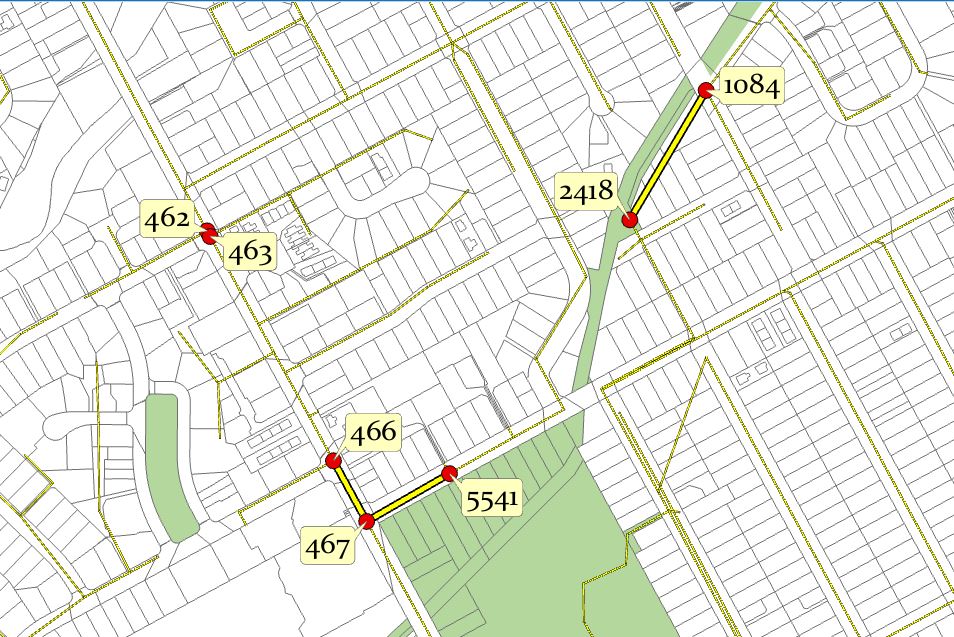
Practical Pipe Inspections
City water networks are inspected regularly. CCTV footage helps confirm replacement scheduling. These are algorithmically generated, and are not always that reliable. Lets make some information visible.
-
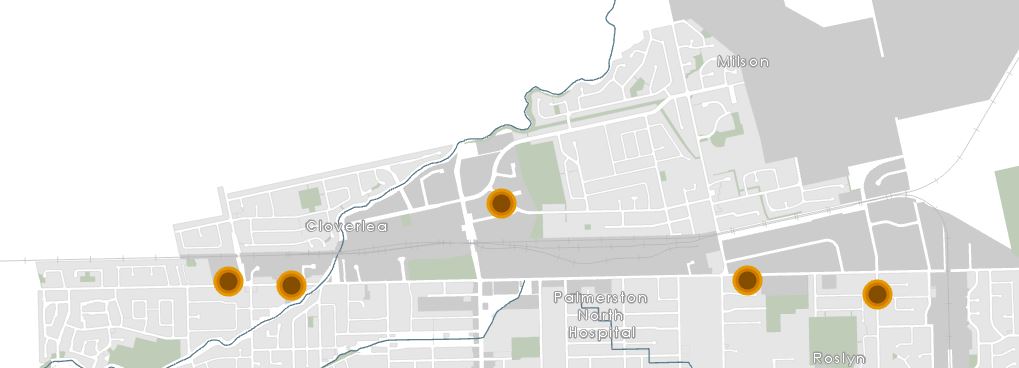
A Pokie Question
Pokie machines… a questionable social vice or good fun. Regardless of your point of view, they are certainly profitable. Palmerston North City and Ashhurst spent $4,623,896.06 on them in 2017. That’s $57.70 per person in a city of 80,000.
-
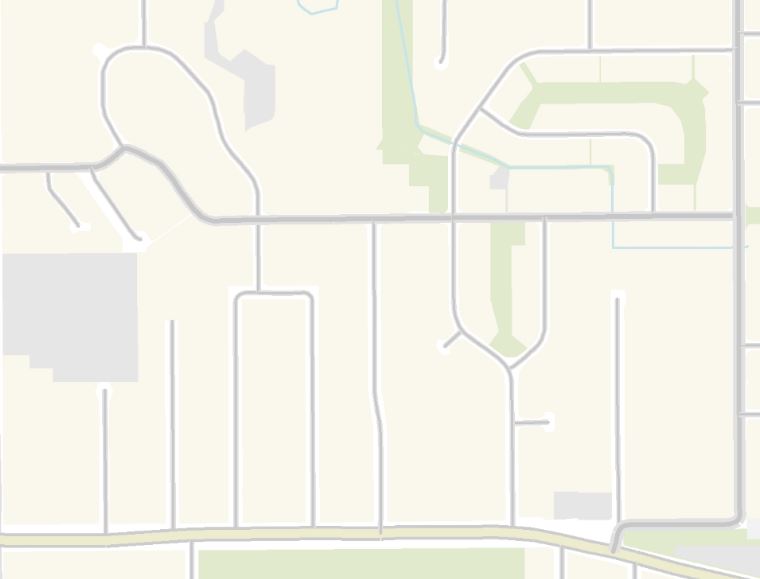
The Value of Building Footprints
When mapping at a local scale we’re usually trying to show some sort of targeted data. This makes context important, but not so much that it takes away from the data your trying to show.
-
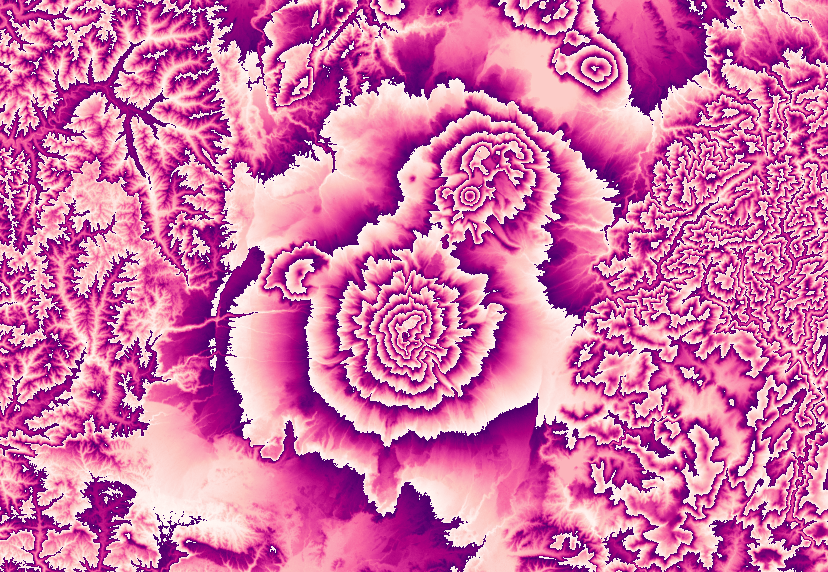
DEM effects
While working on a project I came across this effect. I was trying to render a height map, for both the country
-
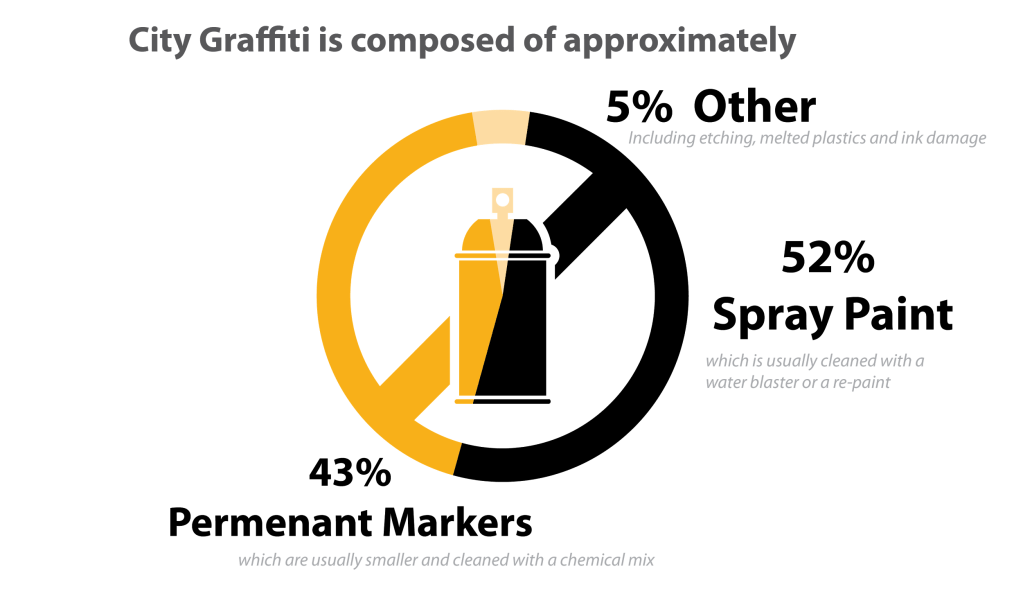
Cleaning up the City – Graffiti
For many people, a city’s success is judged aesthetically. Basically how pleasant an environment is it.
-
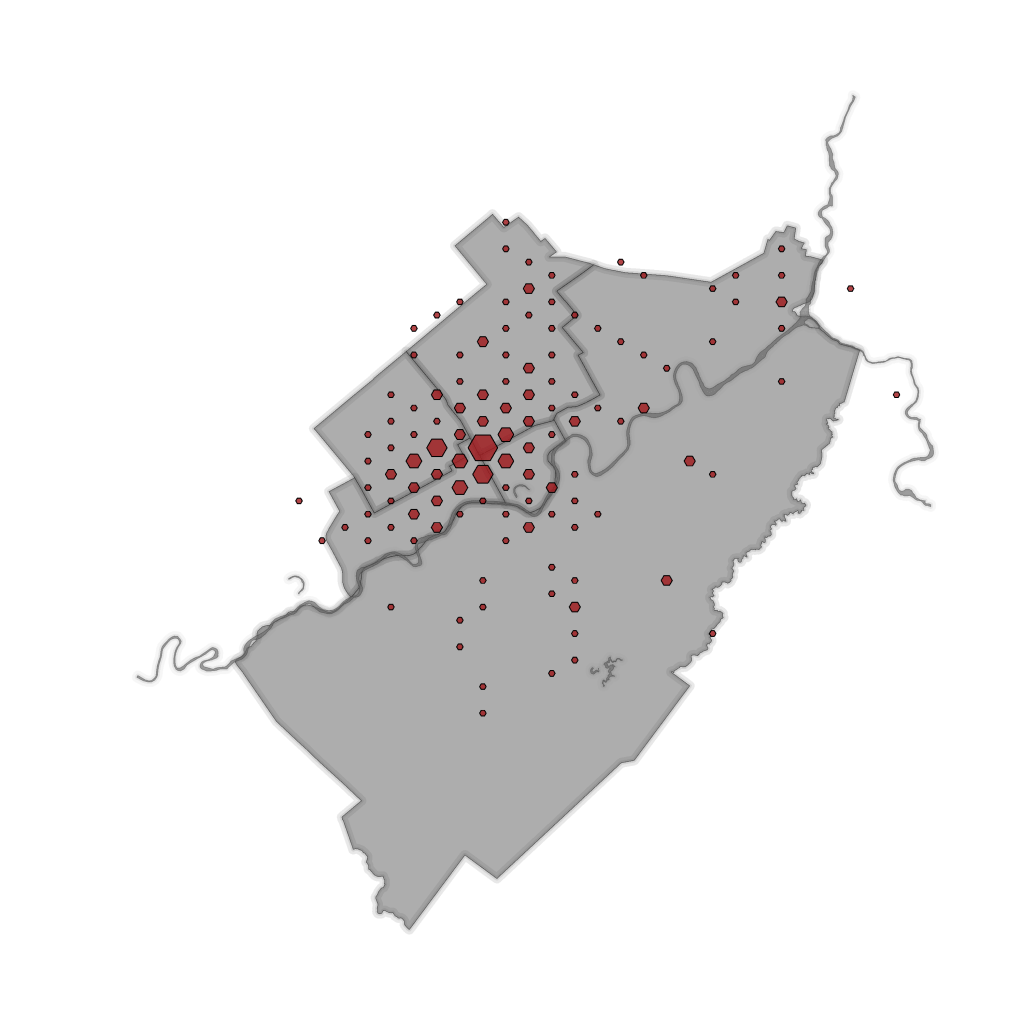
Trash Mapping with ArcPro
Looking over the invoices for council I found $##redacted (large sum of money, larger than I was ultimately aloud to publish on the infographic or my blog ) being spent on illegal dumping every year. That is an impressive sum of money for a small city. So I’m producing a map to show the annual cost and…
-

The Power of Python Toolboxes
A lot of manual work can be avoided by using scripts to automate the processes. However, you inevitably end up with a lot of scripts to automate different pieces of a process.
-

Why we should 3D print buildings
Maps have an amazing ability to focus a discussion. As a discussions becomes bigger less people can see the map and the conversation breaks down. This is actually a really big problem.
-
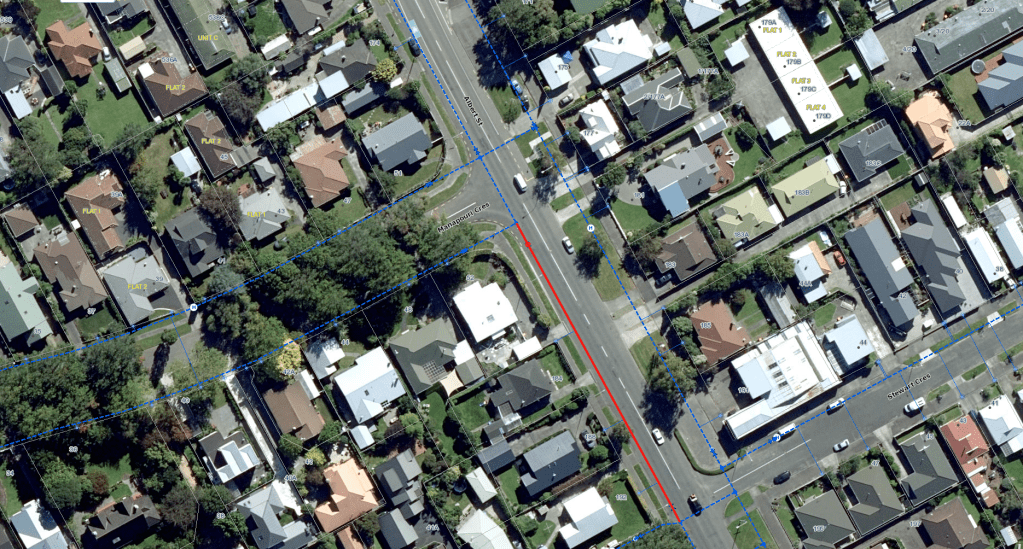
Understanding As-Builts
Since Roman times city planning has included the provisioning of Water. Moving forwards a couple of thousand years has taken us away from the obvious aqueduct to an immensely complex underground network of pipe’s servicing the 3 water system; Wastewater, Storm water and drinking Water.
-
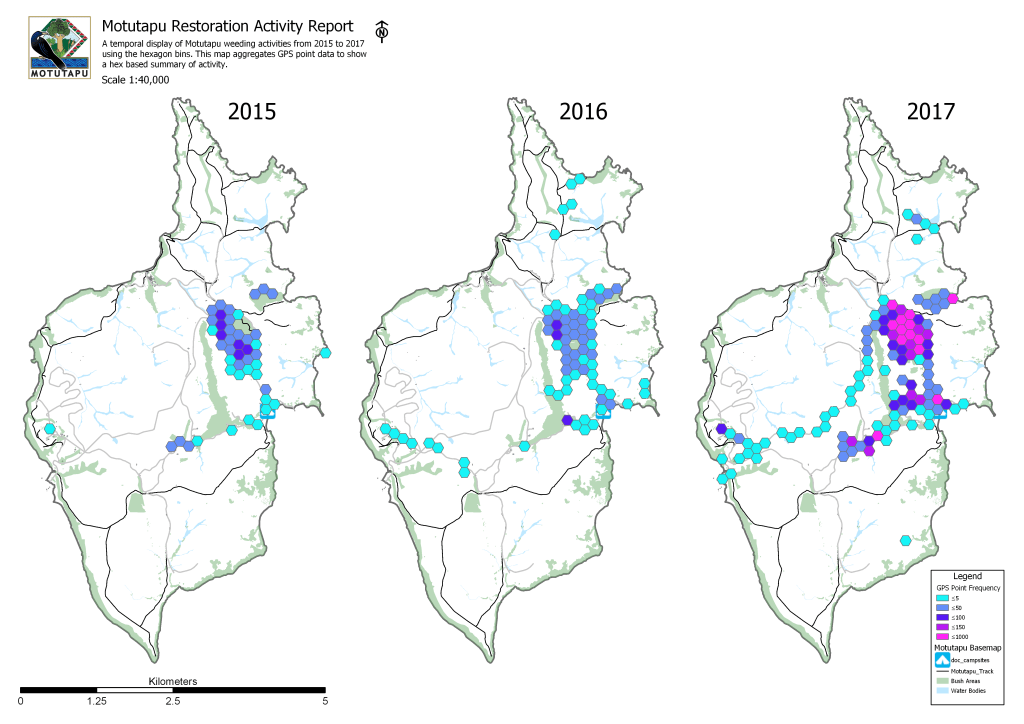
Hexagon Reporting
We often find ourselves collecting and maintaining data. For GIS applications we use this data to answer questions about the world around us. Quite often the sheer quantity of data is overwhelming and the more we collect the harder it is to give a simple answer. This project is going to use Hexagon bins for…
-
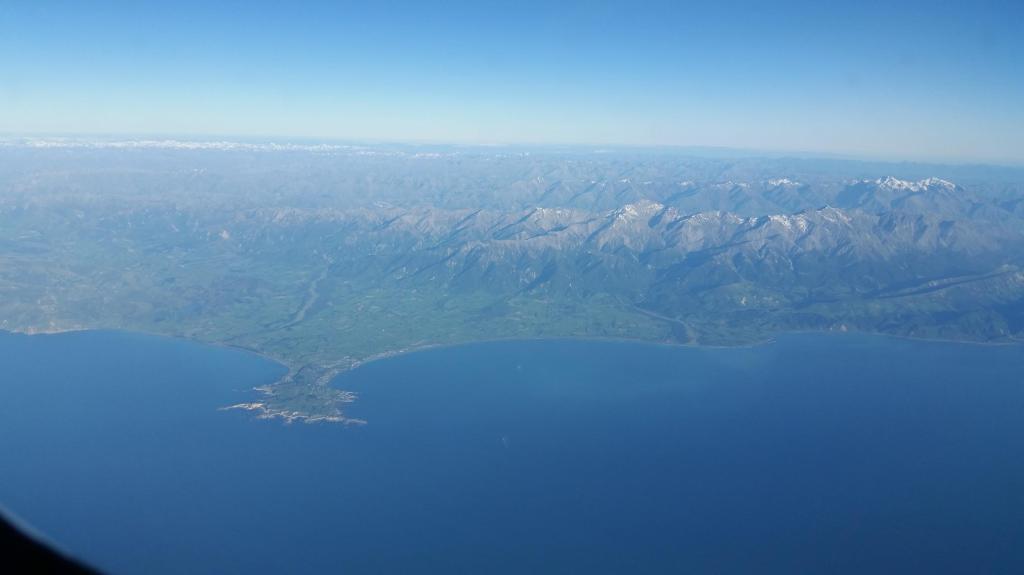
Responding to an Emergency with Maps
In the immediate aftermath of the Kaikoura earthquake a well practiced response went into effect. Within a few days information about the event increased exponentially as the various agencies began reporting. The tide of information was overwhelming. Organisation such as Environment Canterbury began requesting GIS support to help make the relevant information visible to people…
-
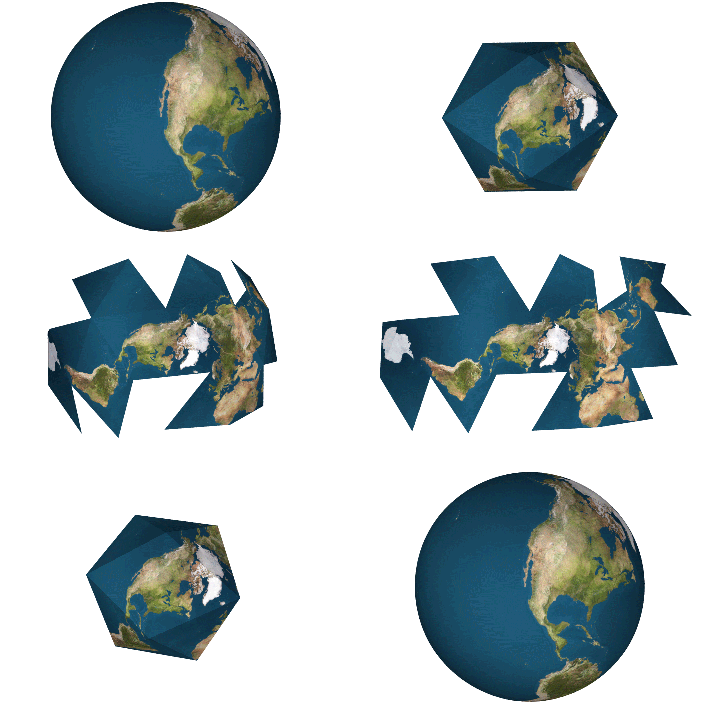
Buckminster Fuller and the Dymaxion projection
Richard Buckminster Fuller was an american inventor credited with, among other things, the Dymaxion Mapping Projection or sometimes known as the Fuller projection. It was designed to represent the earth as an island, and to emphasis humanitarian efforts across the globe, or as Buckminster Fuller would have said, “on Spaceship Earth”. I am ultimately writing…
-
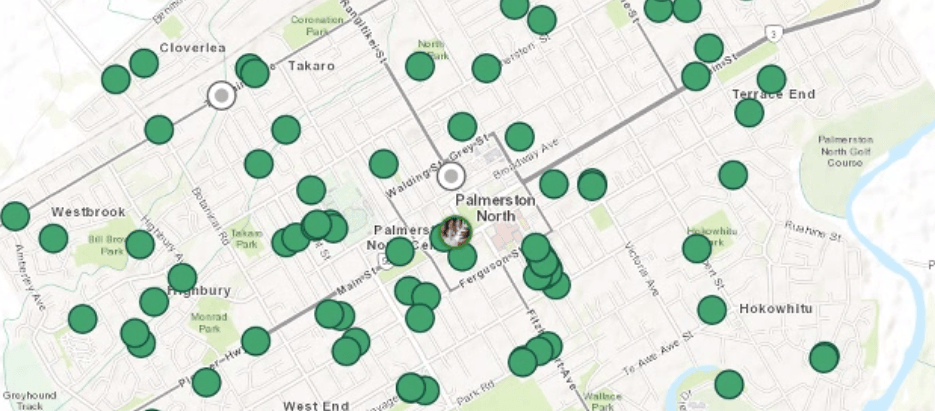
Location Based To Do Lists
Location based to do lists move us towards a map centric way of getting things done. Yes, they improve efficiency but the benefits goes much deeper. They give our workers freedom They give our managers confidence They make our work more pleasant In short they are awesome.
-
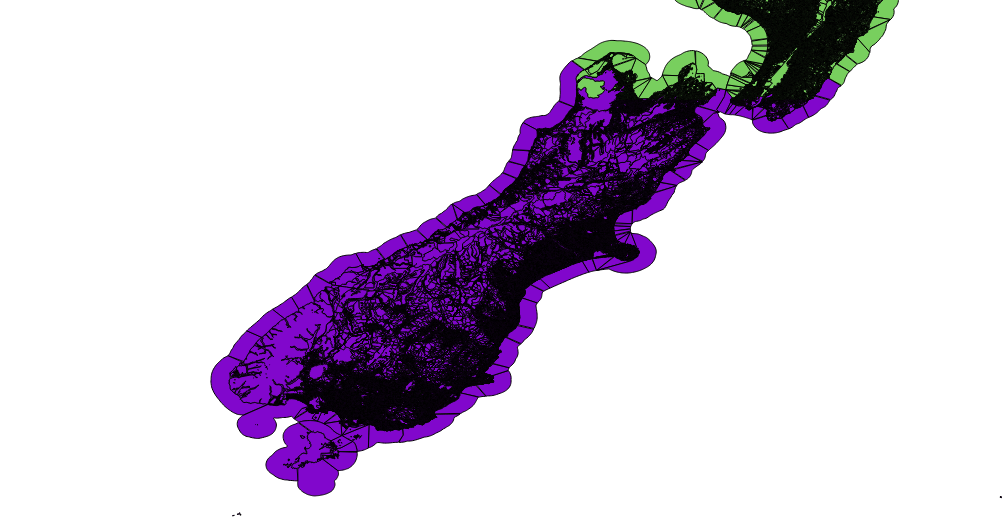
Addressing the Land – A quick guide to Parcels, Titles and Addressing
A quick guide to addressing the land. I’ve bolded up the main points if you’ve only got time for a quick skim read :-)
-
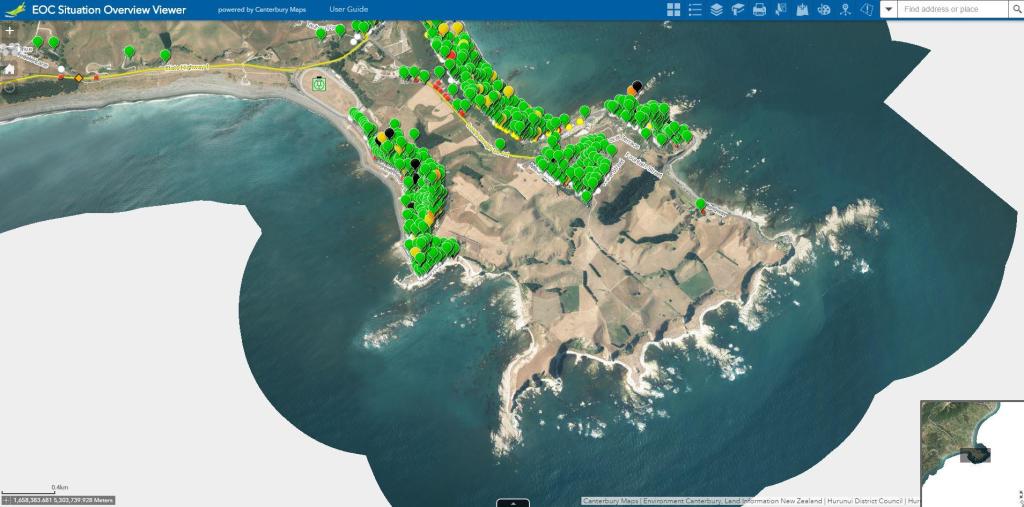
4 Ways to Geocode in a Hurry
a quick and concise guide to geocoding in a hurry
-
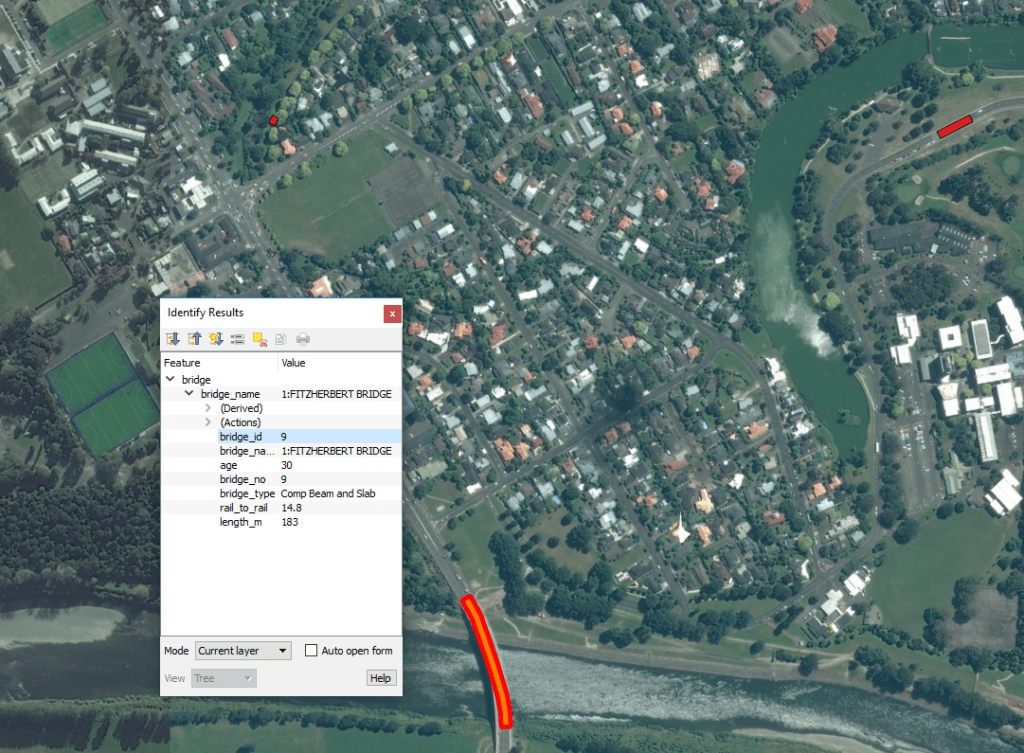
How to Ethically Harvest Online Data with Python for ESRI Integration
How to make GeoJson available to a database. This article demos web scraping with python and writing to an SDE feature.
-
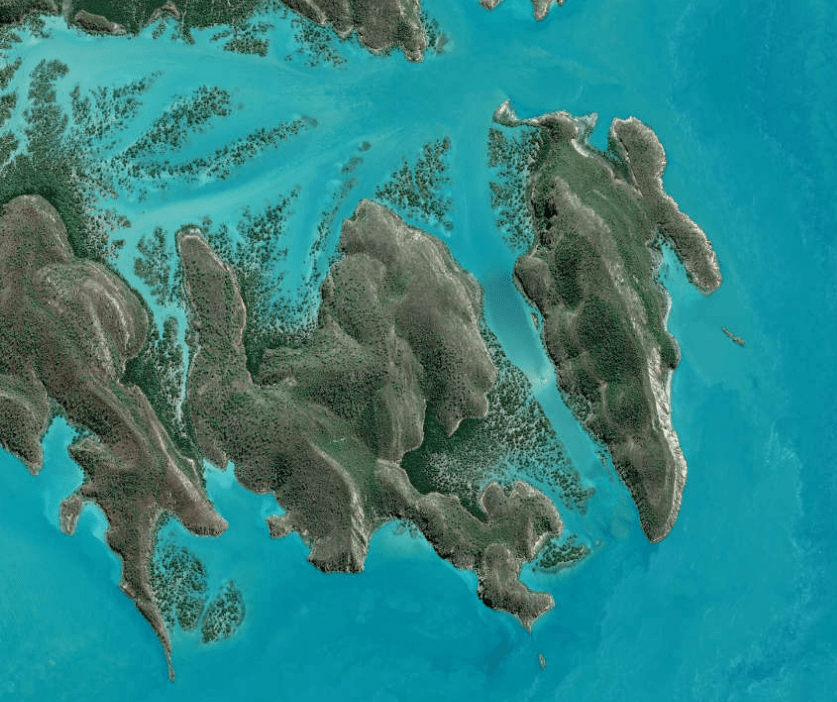
How to download Free Satellite Imagery
As a GIS professional your workflow very likely includes the acquisition of data to solve problems. In this post I’m going to be laying out a guide to Satellite geospatial data. Hopefully this will make finding data you don’t work with everyday a little easier.
-
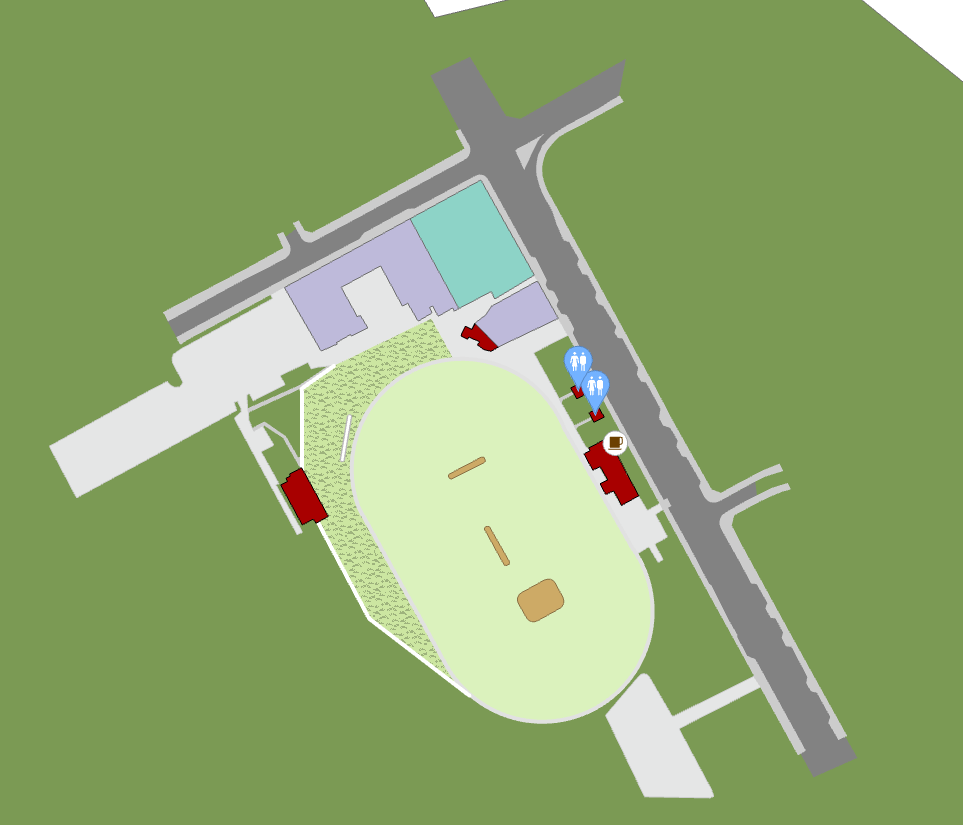
A Formula for Facility Mapping
This is an introductory tutorial for making facility maps using GIS. I’ll be working with ArcGIS Pro, the recipe applies equally well for QGIS or ArcMap.
-
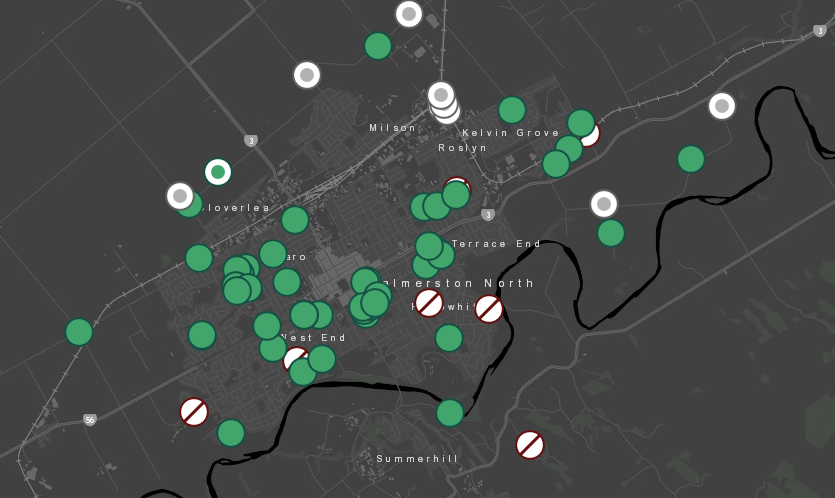
Four Tips for Working with Workforce
Workforce takes operations from ad hoc paper based system or a disconnected collection of GIS features to a systematic flexible and programmable to do list. At its heart there is a focus on keeping work loads simple. That means seeing only the information you need to perform the tasks relevant to you.
-
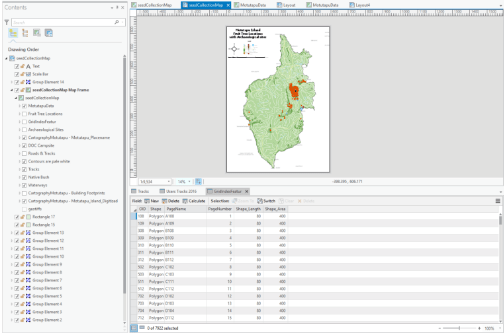
Making Maps! ArcGIS Pro in under 5 minutes
3 Step Guide to Publishing Hard Copy Cartography in ArcGIS Pro Like almost every other GIS professional I’ve been producing hardcopy maps using the trusty workhorse of GIS, ArcMap for quite a while now; with the occasional foray on it’s slightly more hipster cousin QGIS. Over the last couple of years ESRI have been developing…
 Anything Mapping