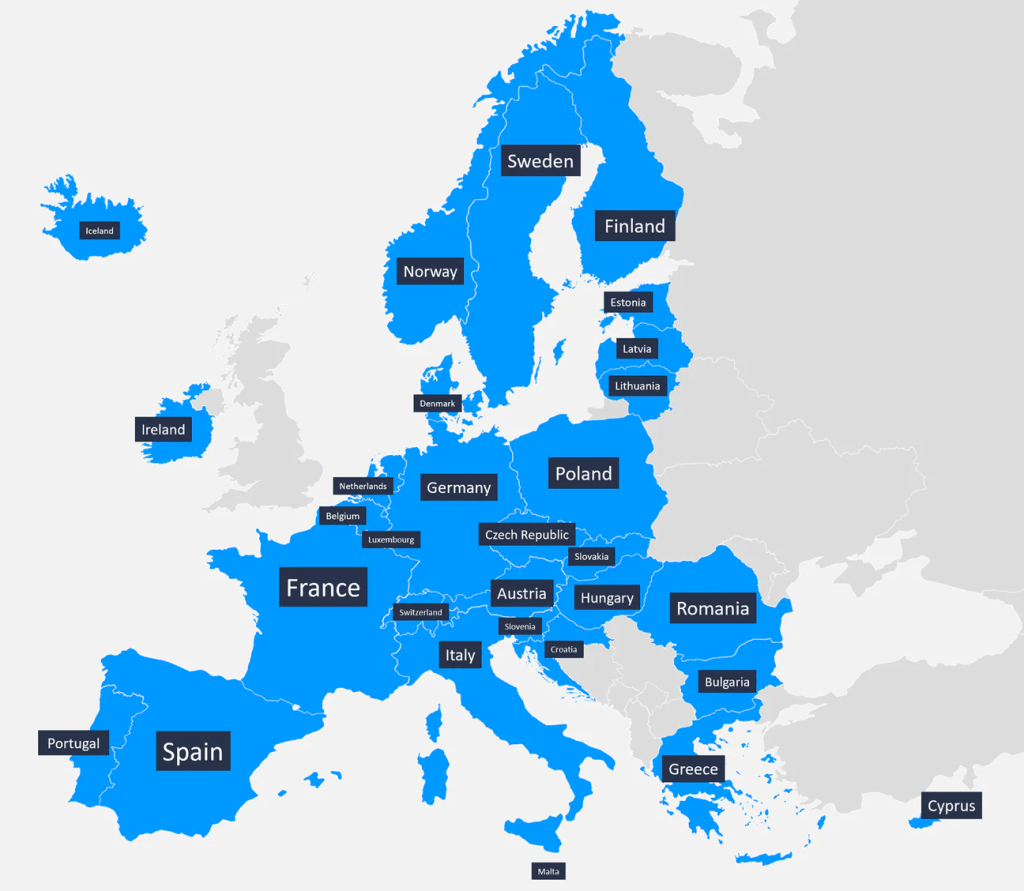
Regulations almost always lag behind technological innovations, and that is certainly true in the Drone space. Finally enough airports have been closed in Europe to make it necessary for the EU, Iceland, Norway, Switzerland and the UK to make some drone licensing rules.

While the UK license is not valid in Europe the Swiss and EU licenses can be used interchangeably; this is managed by the European Union Aviation Safety Agency of which Switzerland is a member.
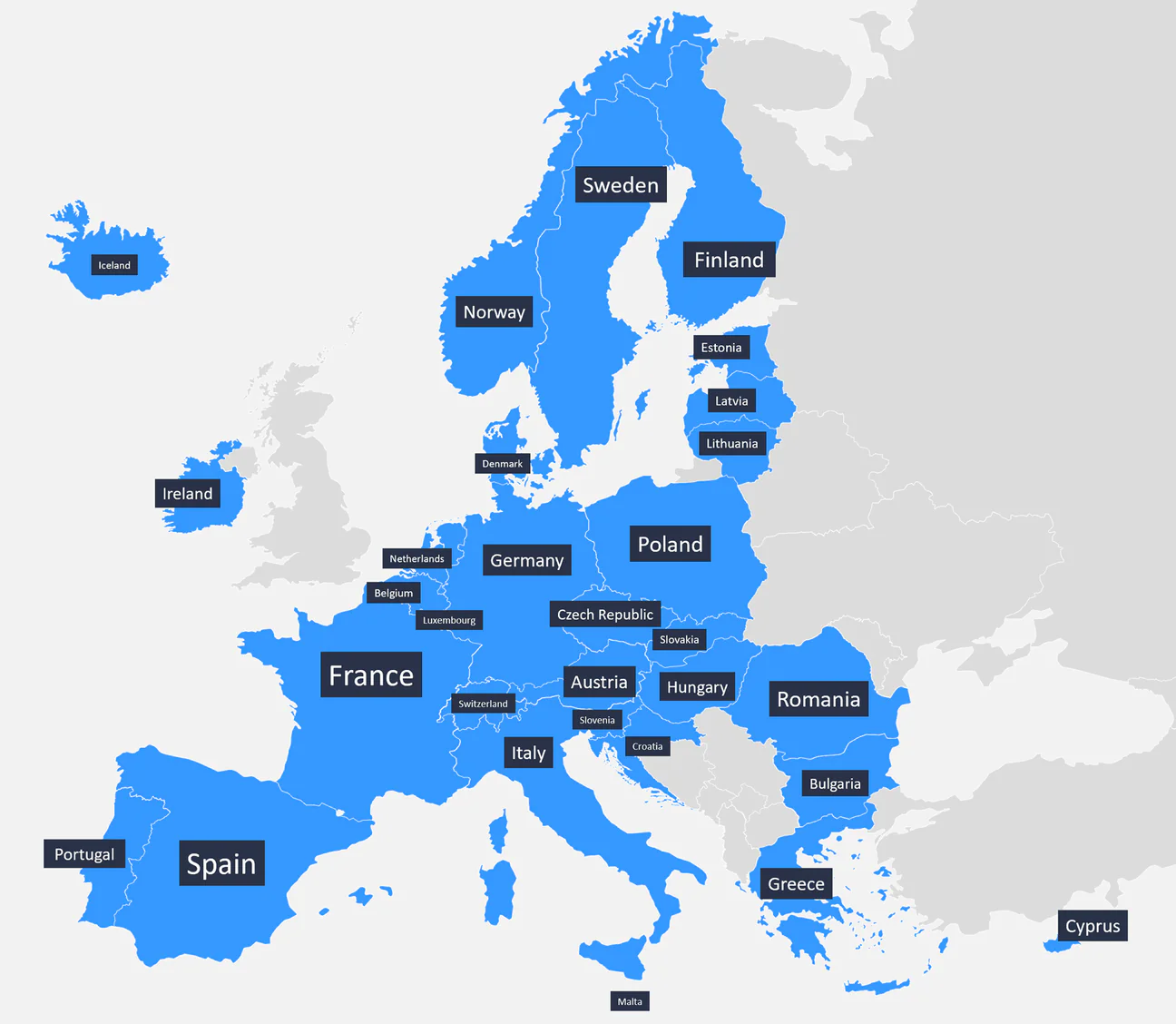
The Swiss training, licensing and exam info can be found here at www.uas.gate.bazl.admin.ch however the quality is not great and at the moment you have to take the exam in French, German or Italian; also you have to be able to understand the training material in one of those languages.
The alternative to this is to take the European Exam and training which is available in English, in all levels A1, A2 and A3 in the Open Category; however, you must pay. But if you don’t mind paying for a license from between 99 – 199 EUROS then this is probably the faster and more comprehensive approach.
Study Material For the A1 & A3 Categories
The exams are broken up, A1 & A3 are taken together as the basic exam and then A2 in addition which focuses on more advanced topics and the ability to fly in an urban environment.
Categories of drone flight are divided into 3 categories, A1, A2, A3.
- <25kg is the open category
- Specific Category such as below line of sight operations
- Specialized Category is for the most risky operations such as transporting people or substances
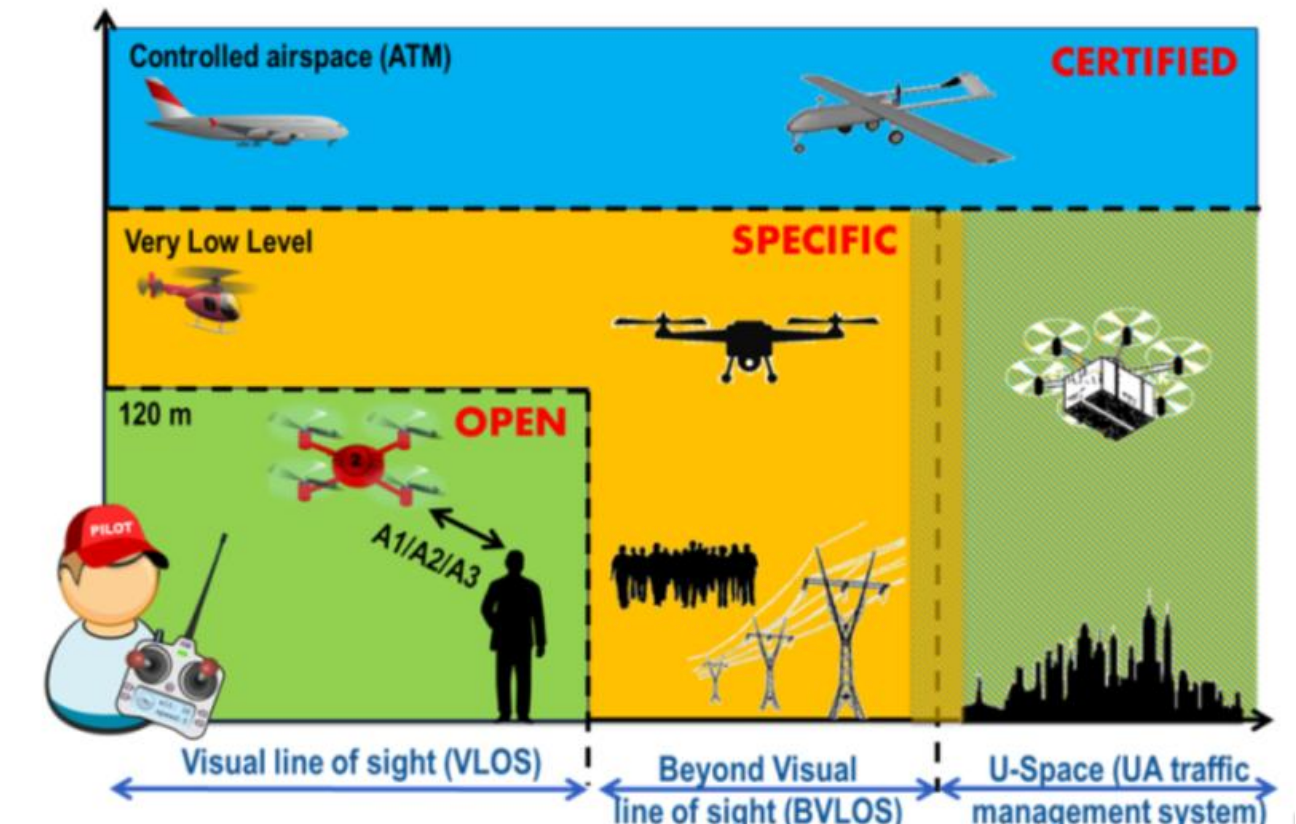
And then in addition you need to consider the classification of the drone by weight.
- C0 < 250g drone
- C1 < 900g drone
- C2 < 4kg drone
- C3 < 25kg drone
- C4 < 25kg aircraft

Flight zoning
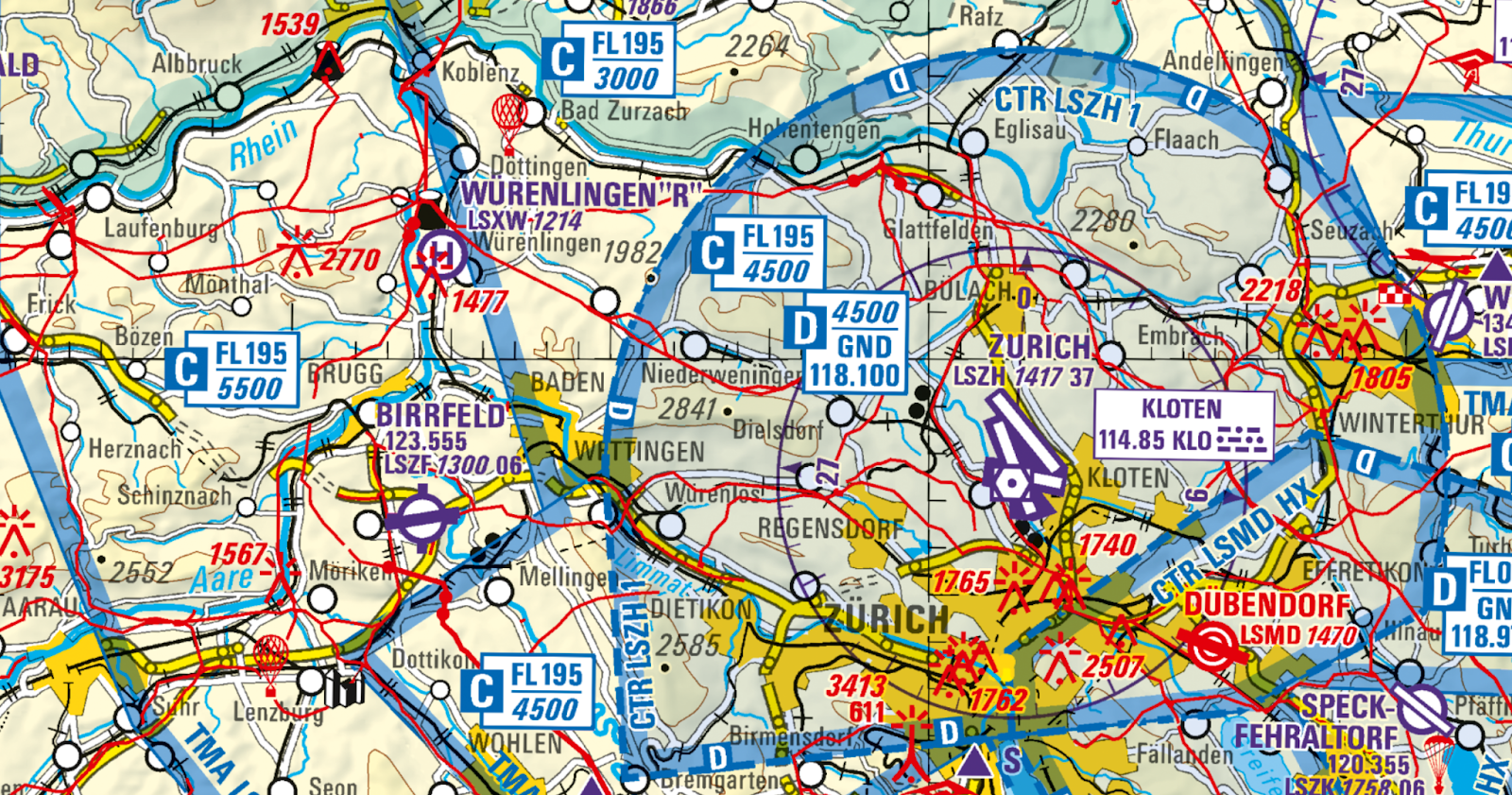
Somewhat unfortunately it’s basically impossible in Switzerland now to fly anywhere near where you live. You can find the map of flight zones here.

And you can find the aeronautical charts here which show off a lot of the obstacles such as wind turbines.

Control Frequencies
There are also some brief study materials on radio wave frequencies as a precursor to understanding when the control of the UAC will be affected by environmental conditions.

Insurance
Article 4 of the regulations state “Aircraft operators shall be insured in accordance with this Regulation as regards their aviation specific liability in respect of their parties” which basically means you need insurance up to one million euros.
There is a big difference between a professional and an amateur here; amateurs can take out third party liability insurance including drone cover.
METAR
METAR is a coded weather report used in the aviation industry that you must understand. The best explanation I found was not on the official training but rather https://metar-taf.com/explanation.
CET = UTC+1 in Winter
CET = UTC+2 in Summer
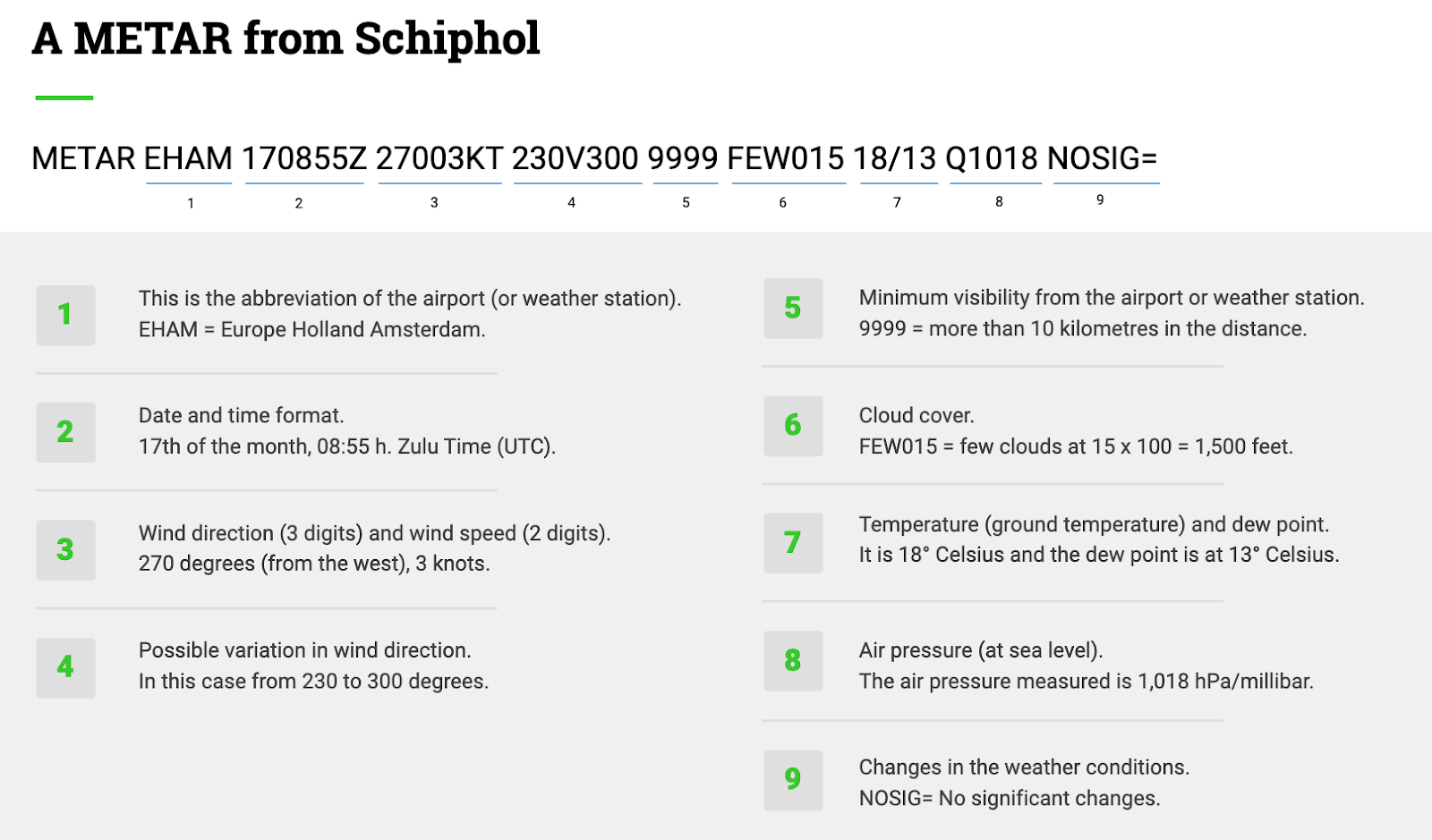
- 10009G19KT 060V130 means that the mean wind direction is 100°, variable between 60 and 130°. The average wind speed is 9 knots (09) with peaks up to 19 knots (KT).
- VRB01KT – Wind direction not given
- 00000KT – there is no information
- /////KT – direction and speed cannot be determined
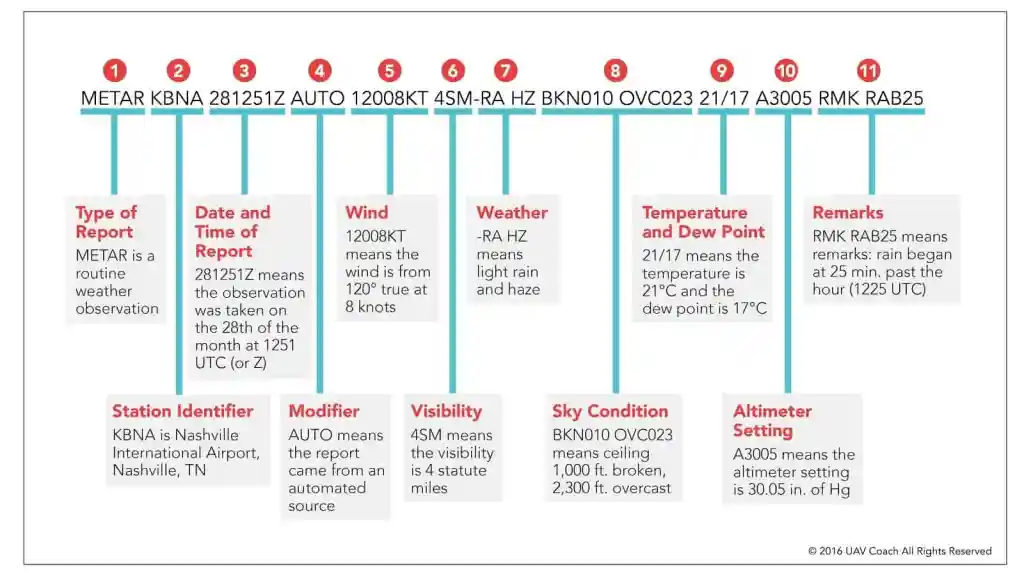
In order to be able to do this you need to be able to read a METAR
Random Note
And as a totally random side note during this exam I came across details on atmospheric composition which I didin’t know despite being concerned about climate change. I honestly had no idea that Co2 was only 0.03% of the atmosphere. Feel free to leave a comment if this is news to you also, thanks for reading.

 Anything Mapping
Leave a comment